

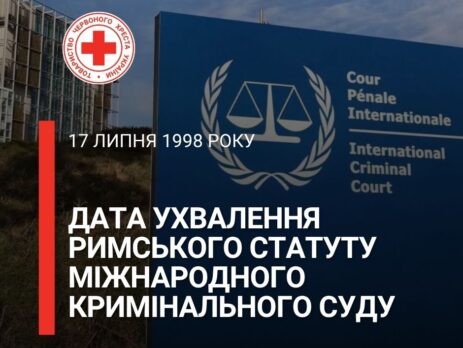
17 July 1998: Adoption of the Rome Statute of the International Criminal Court
On this day, at the Diplomatic Conference in Rome, an international treaty was adopted that became the legal foundation for the establishment of the first permanent International Criminal Court (ICC). The Rome Statute entered into force on 1 July 2002.
The Rome Statute defines the ICC’s jurisdiction over four categories of the most serious international crimes: genocide, crimes against humanity, war crimes and the crime of aggression.
International humanitarian law establishes the rules governing the conduct of hostilities. When the most serious violations of these rules amount to international crimes, the Rome Statute classifies them as war crimes and places them under the jurisdiction of the International Criminal Court.
In particular, Article 8 of the Rome Statute provides a comprehensive modern classification of war crimes, including serious violations of international humanitarian law, primarily grave breaches of the 1949 Geneva Conventions and Additional Protocol I.
Under the 1968 Convention on the Non-Applicability of Statutory Limitations to War Crimes and Crimes Against Humanity, statutes of limitations do not apply to war crimes.
In 2024, Ukraine ratified the Rome Statute, becoming a full member state of the ICC. This enables Ukraine to participate in the work of the Assembly of States Parties to the ICC, contribute to the development of international criminal justice, and support international mechanisms for ensuring accountability for the most serious international crimes.