

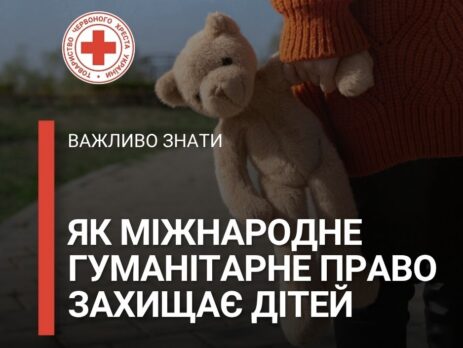
Protecting Children During War: What International Humanitarian Law Provides
Children are particularly vulnerable during armed conflict. They are especially affected by hostilities, forced displacement, the loss of loved ones, destruction of homes, and restricted access to education and healthcare.
This is why international humanitarian law (IHL) provides children not only with the general protection afforded to civilians, but also with special protection that takes into account their age, specific needs, and particular vulnerability.
Specific provisions of international humanitarian law regarding the protection of children during armed conflict are found in the 1949 Geneva Conventions, Additional Protocol I, rules of customary IHL, the 1989 UN Convention on the Rights of the Child, and its 2000 Optional Protocol on the involvement of children in armed conflict.
Under IHL, children:
- are entitled to special respect and protection;
- are among the groups given priority during the distribution of humanitarian assistance;
- must receive proper care, access to education, and support in maintaining family links;
- must not be recruited into the armed forces or take part in hostilities.
IHL pays particular attention to children who have been orphaned or separated from their families as a result of war. Article 24 of the Fourth Geneva Convention (1949) requires parties to an armed conflict to ensure the care, education, and identification of children who are orphaned or separated from their families due to war.
Even if a child has directly participated in hostilities and falls under the authority of an adverse party, they do not lose their right to special protection. Article 77 of Additional Protocol I provides that such children continue to benefit from the special protection granted to children under international humanitarian law.
Protecting children during war is an international legal obligation of parties to an armed conflict. The unlawful deportation or forced transfer of children, obstruction of civilian evacuation, or other actions that endanger their life, health, or safety violate international humanitarian law and may result in international responsibility and criminal liability.