Strengthening the capacity of starosta districts to respond to emergencies
The Ukrainian Red Cross continues to strengthen the preparedness of communities and starosta districts for emergencies.
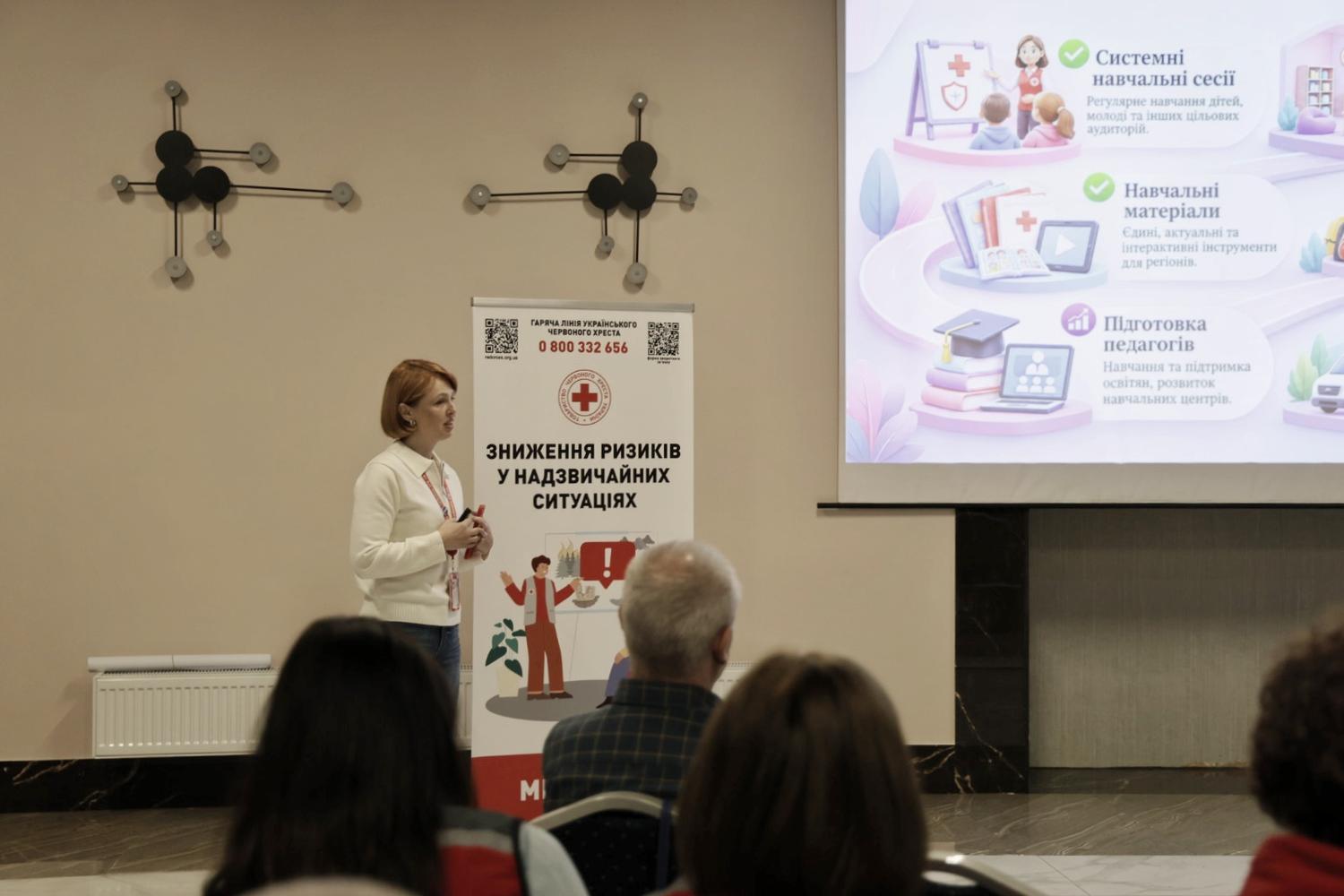
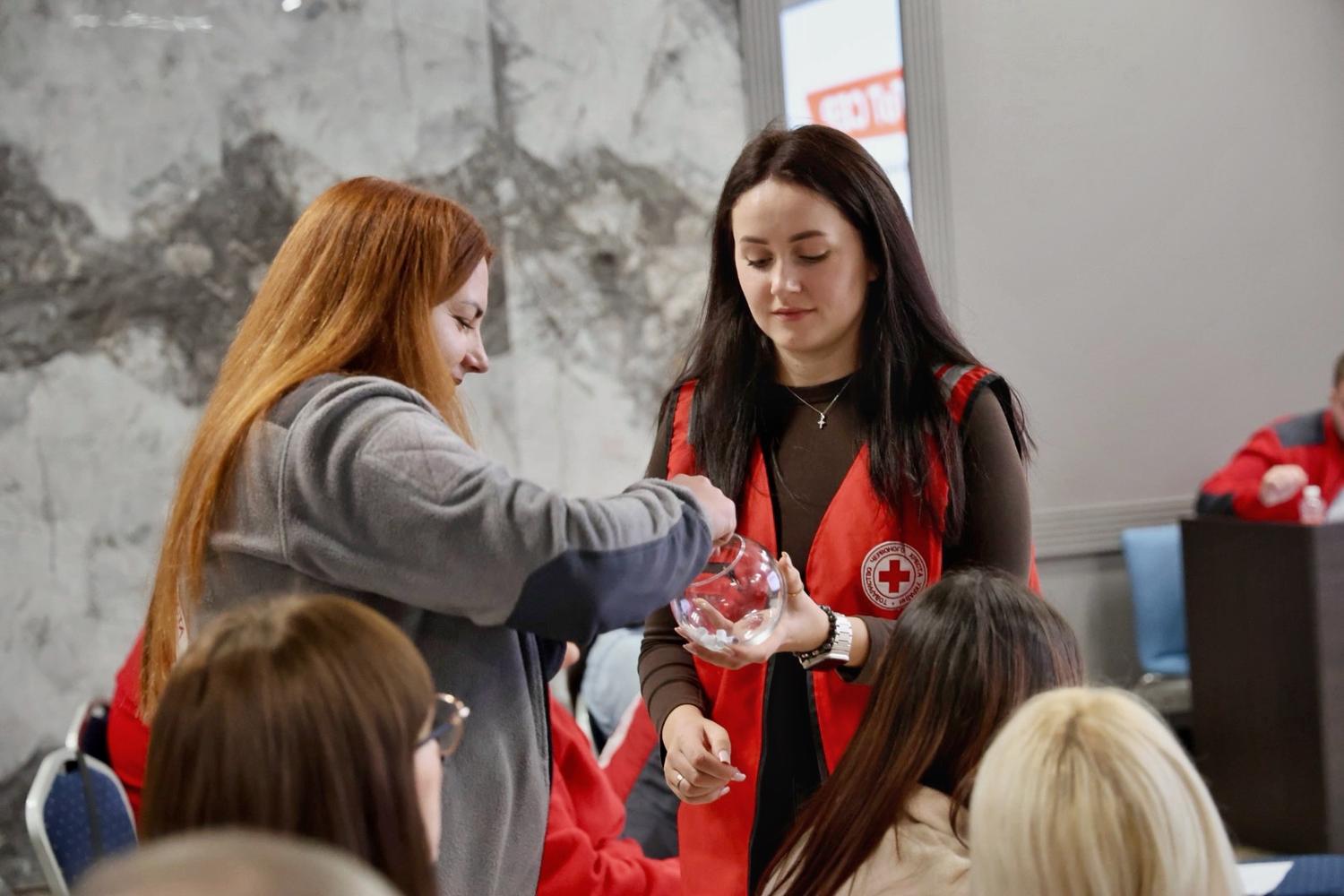
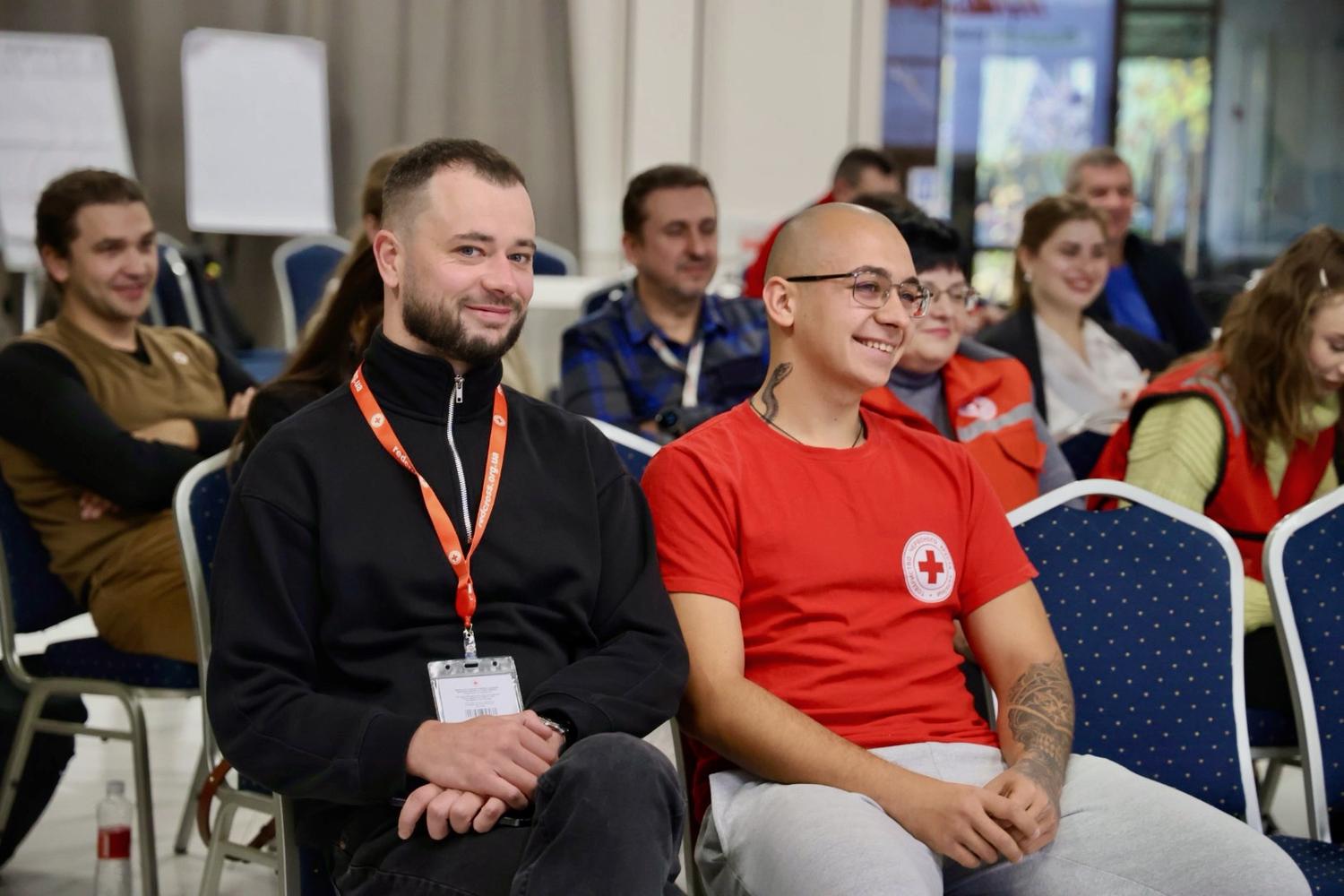
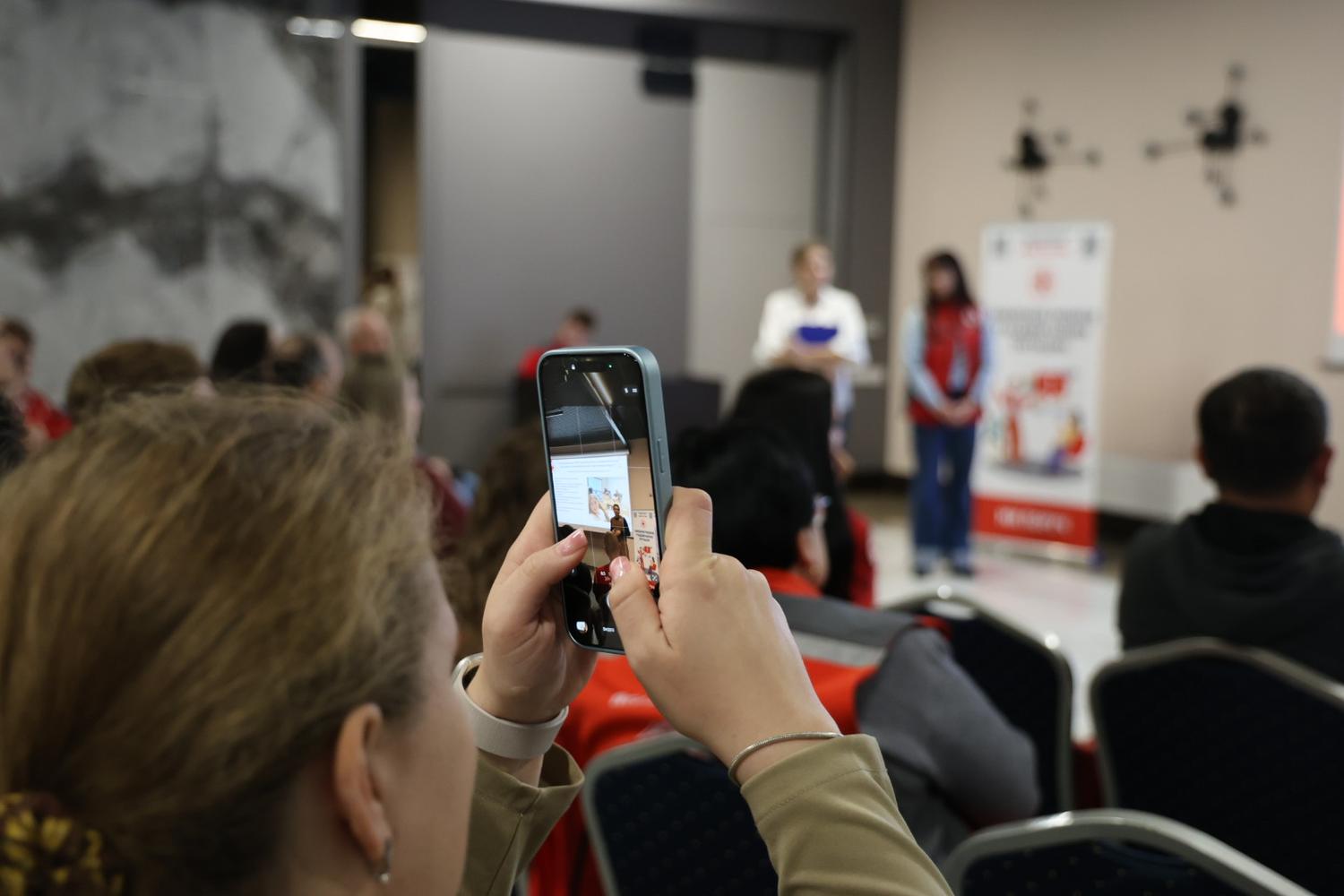
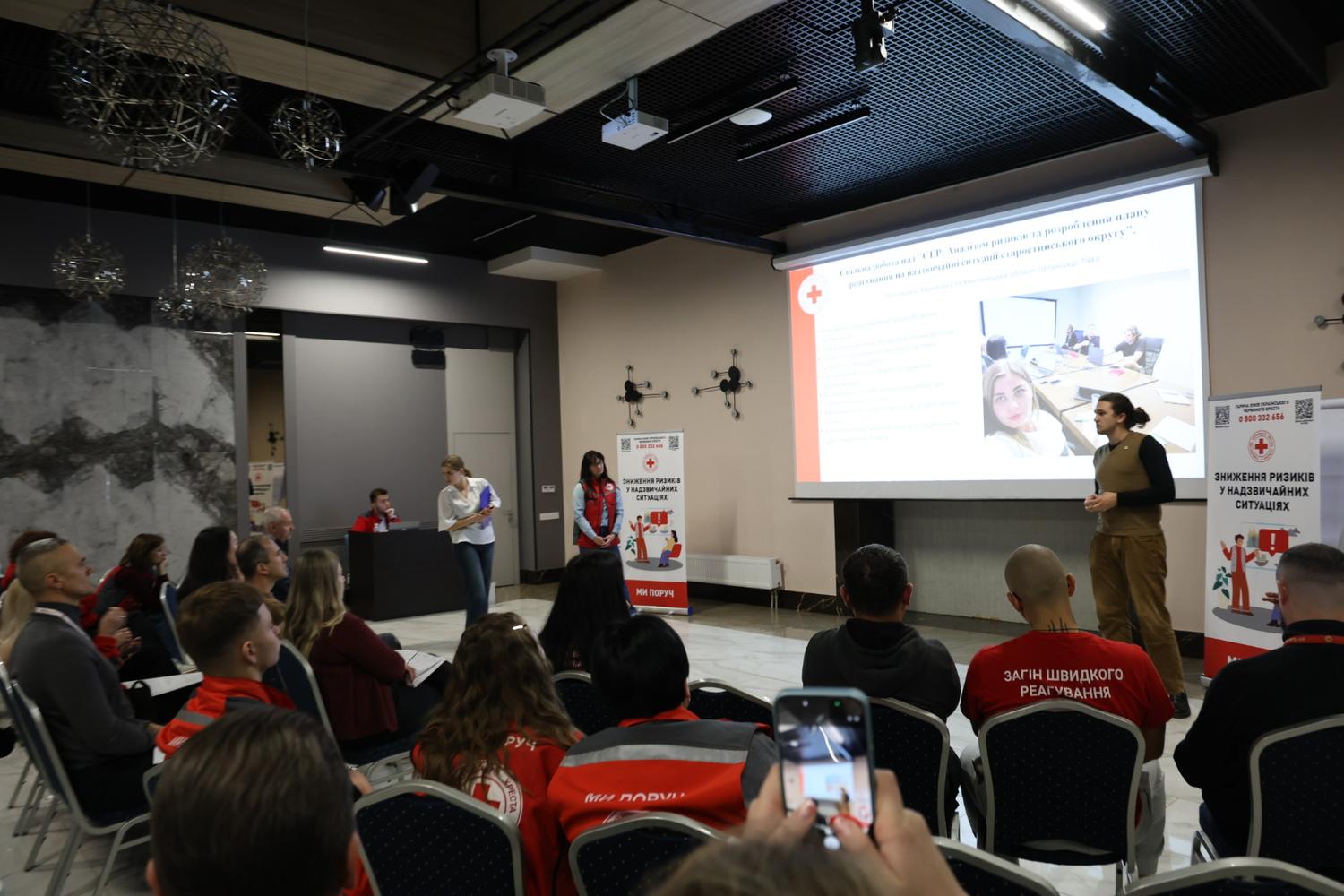
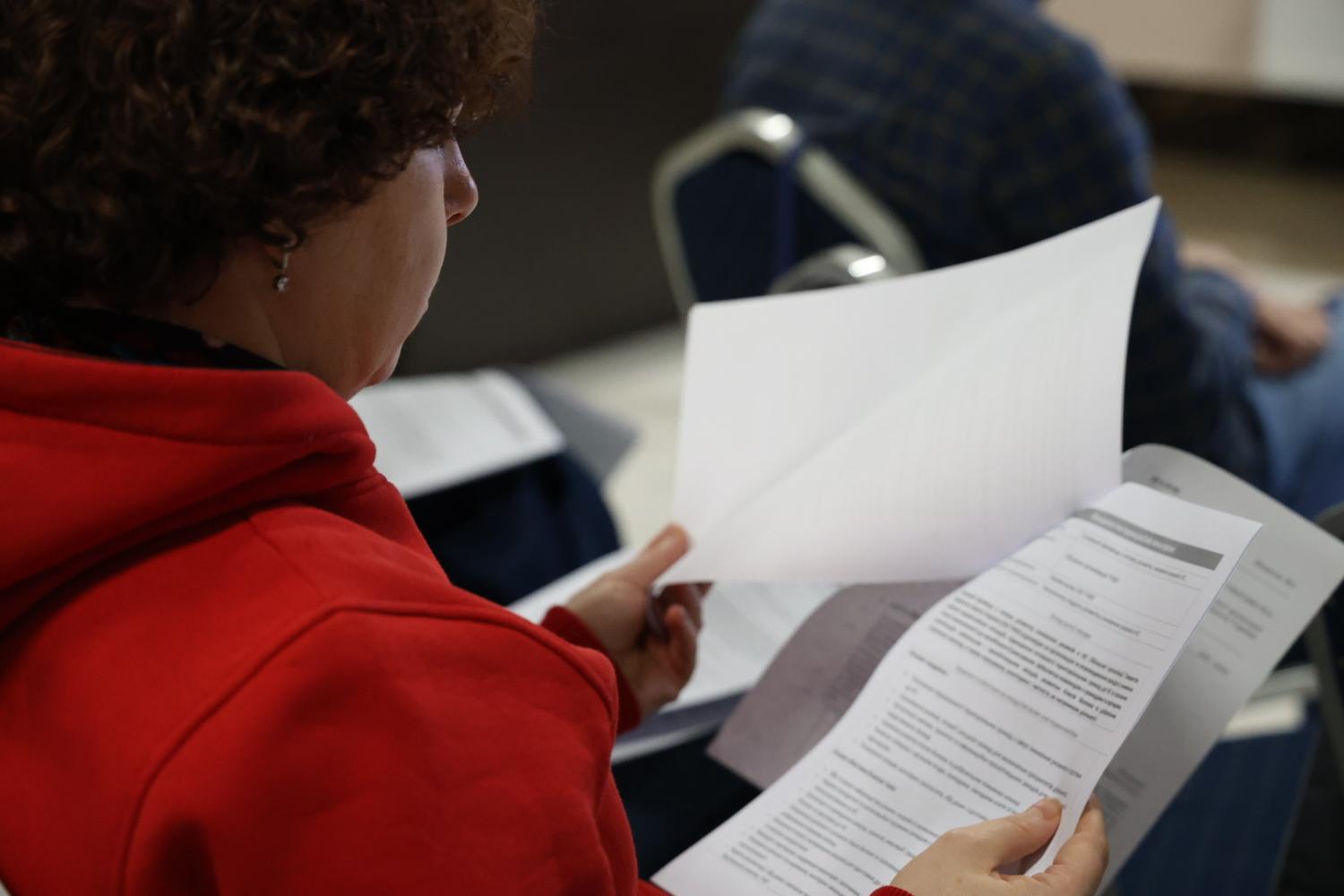
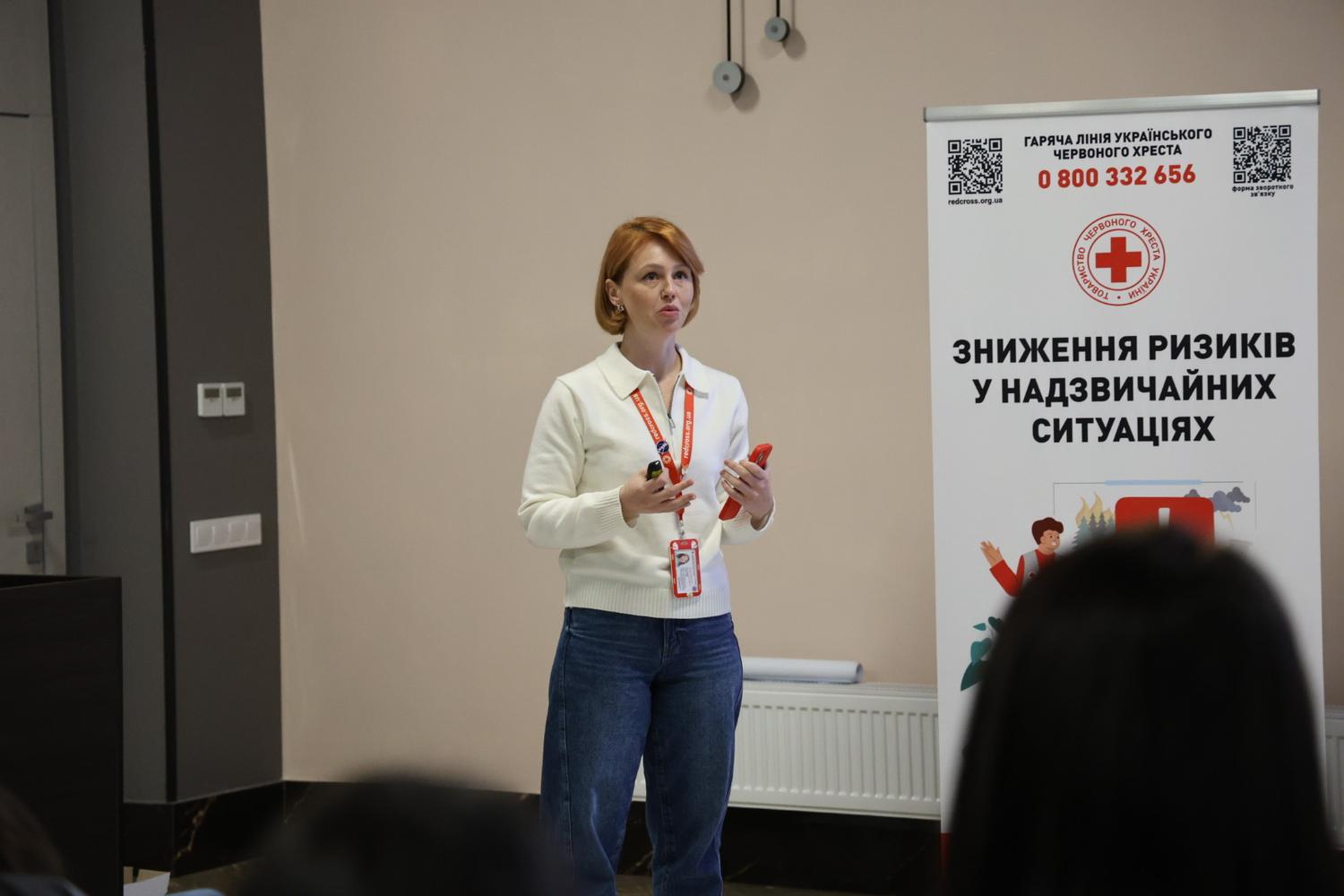
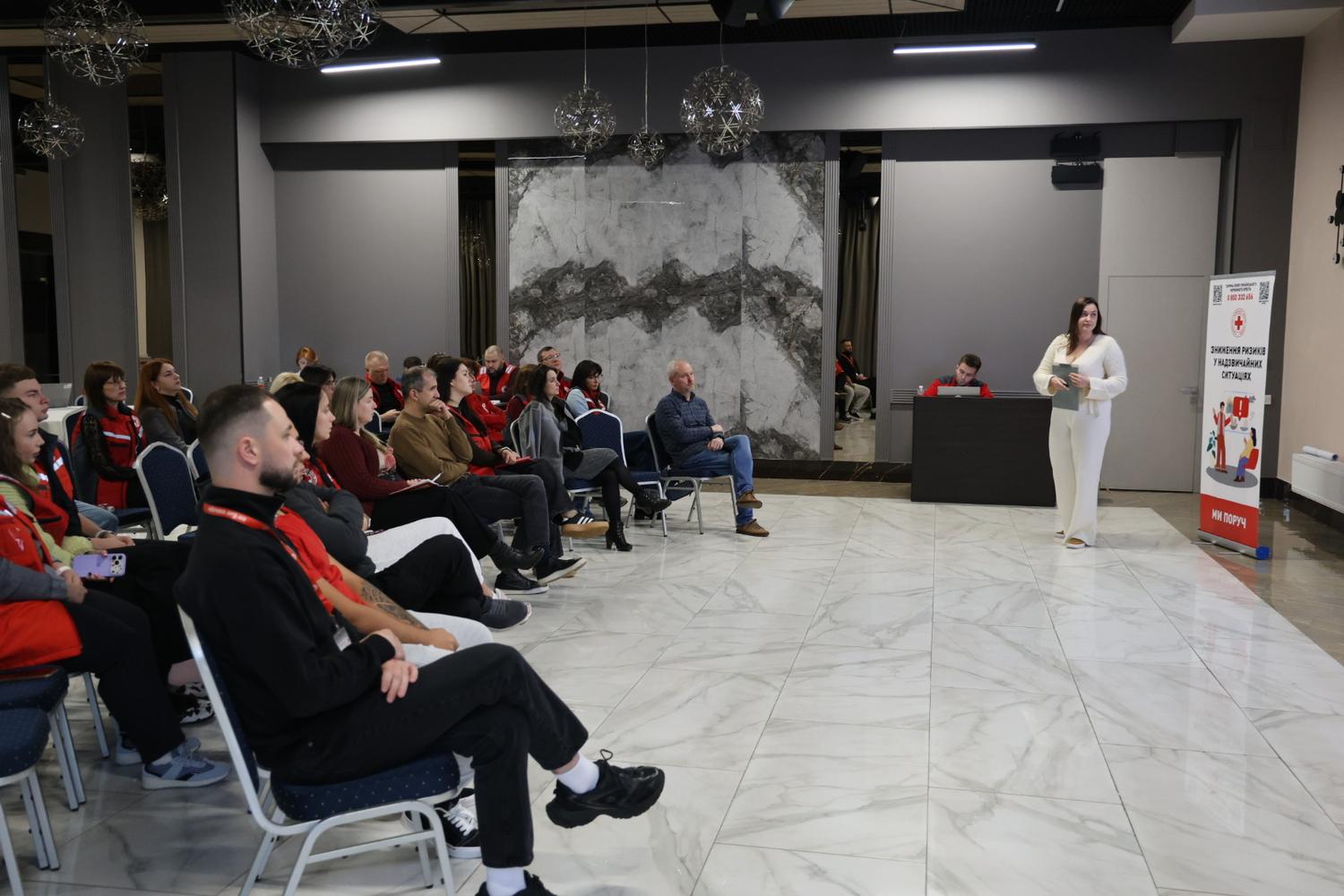
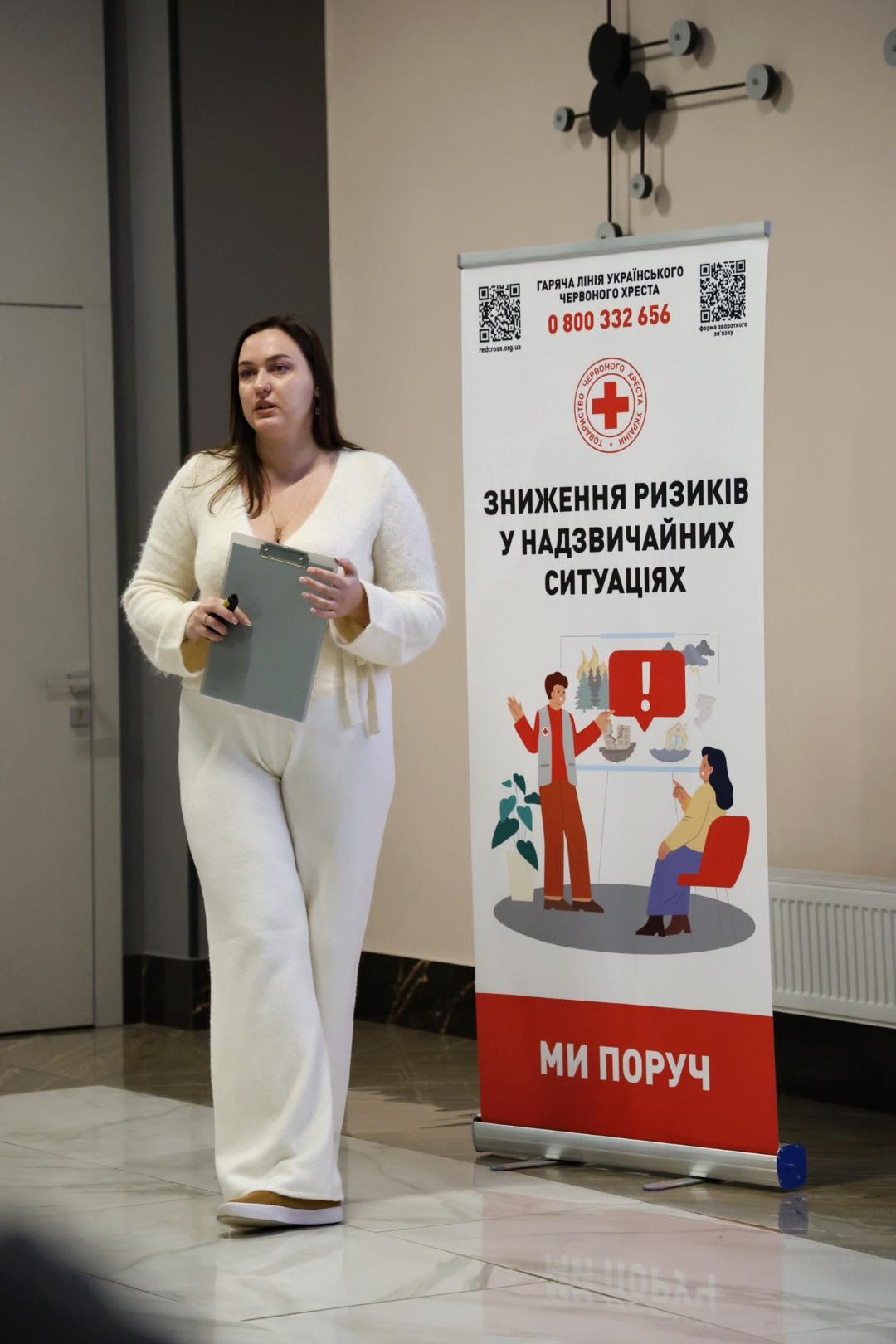
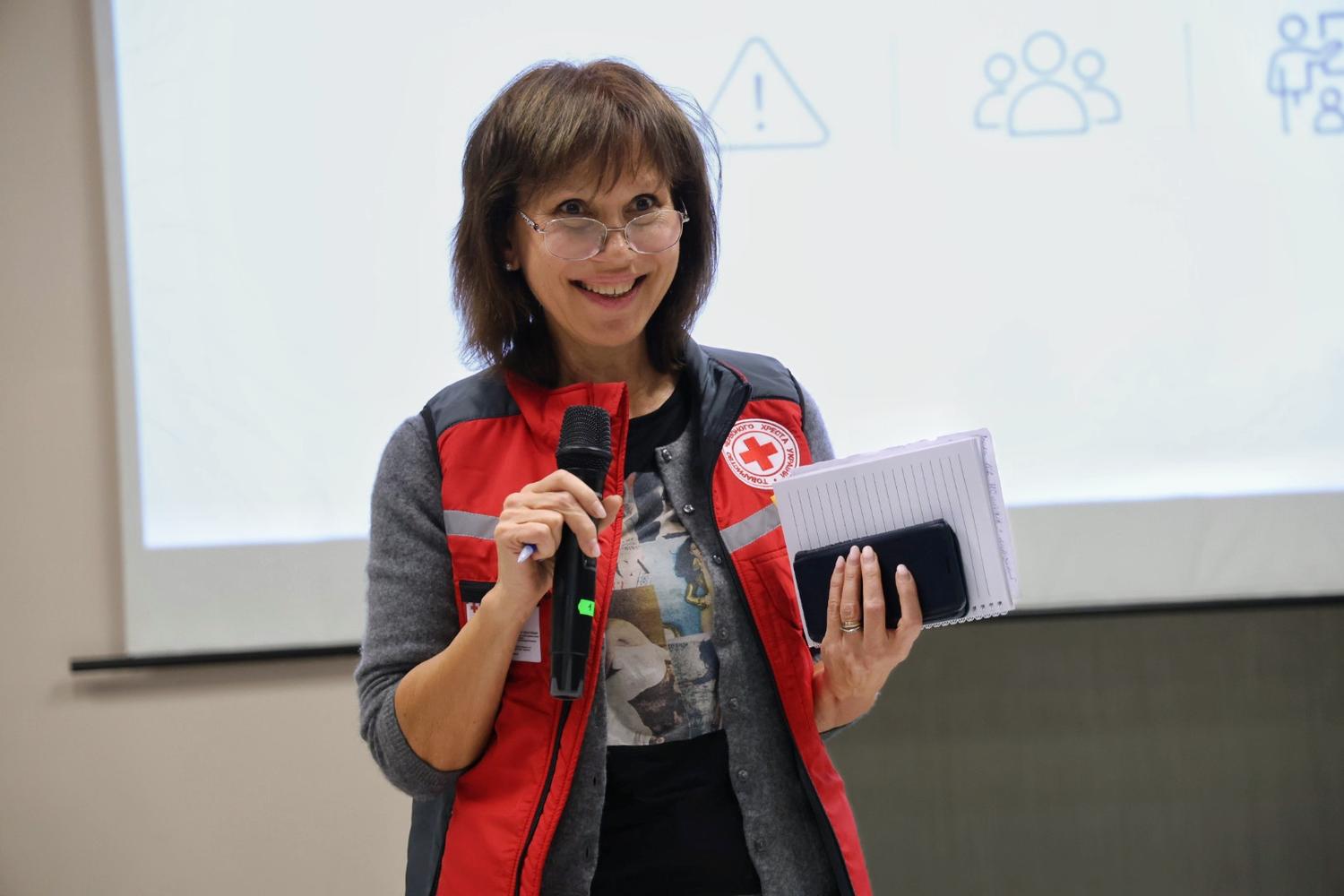
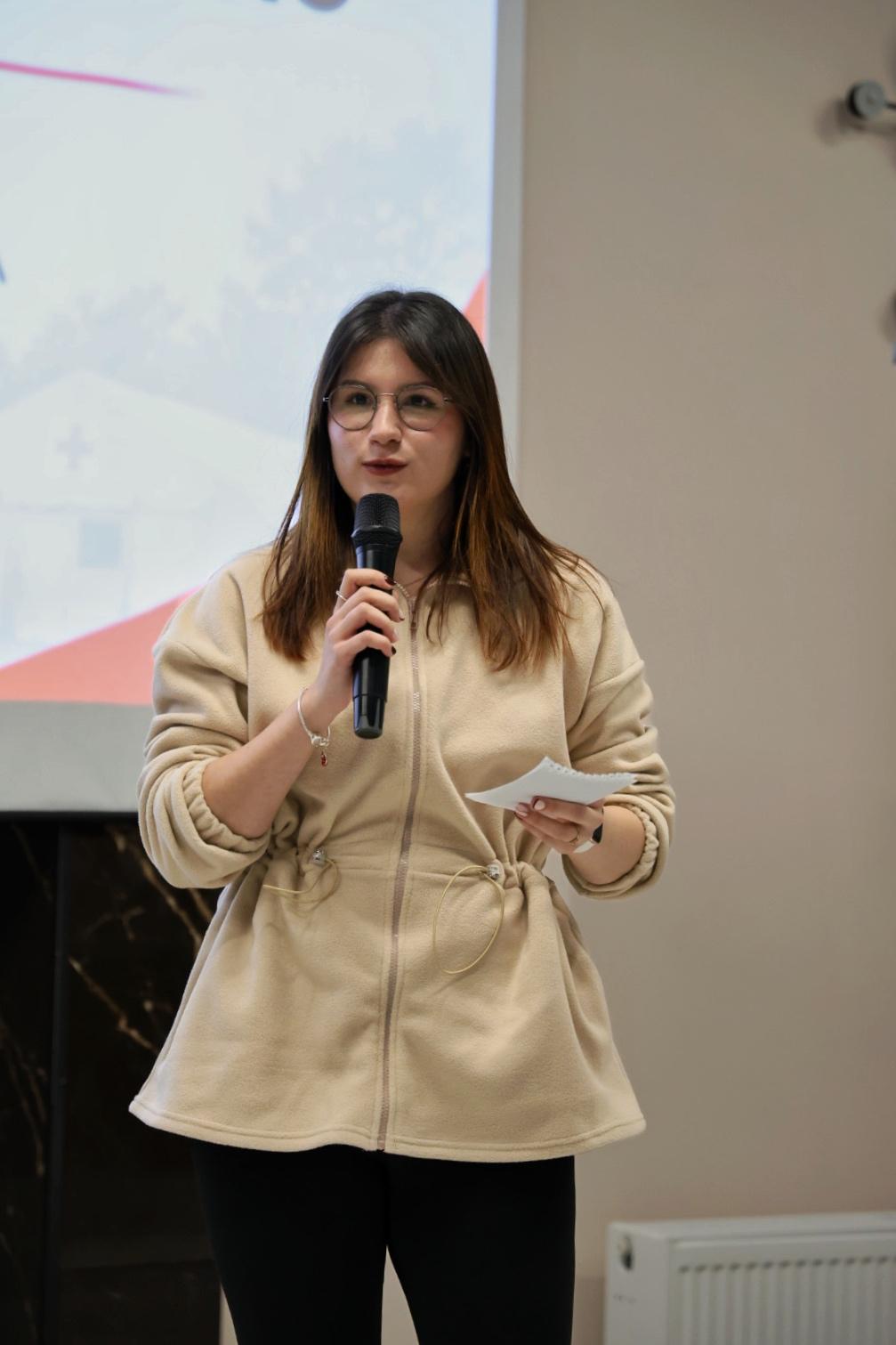
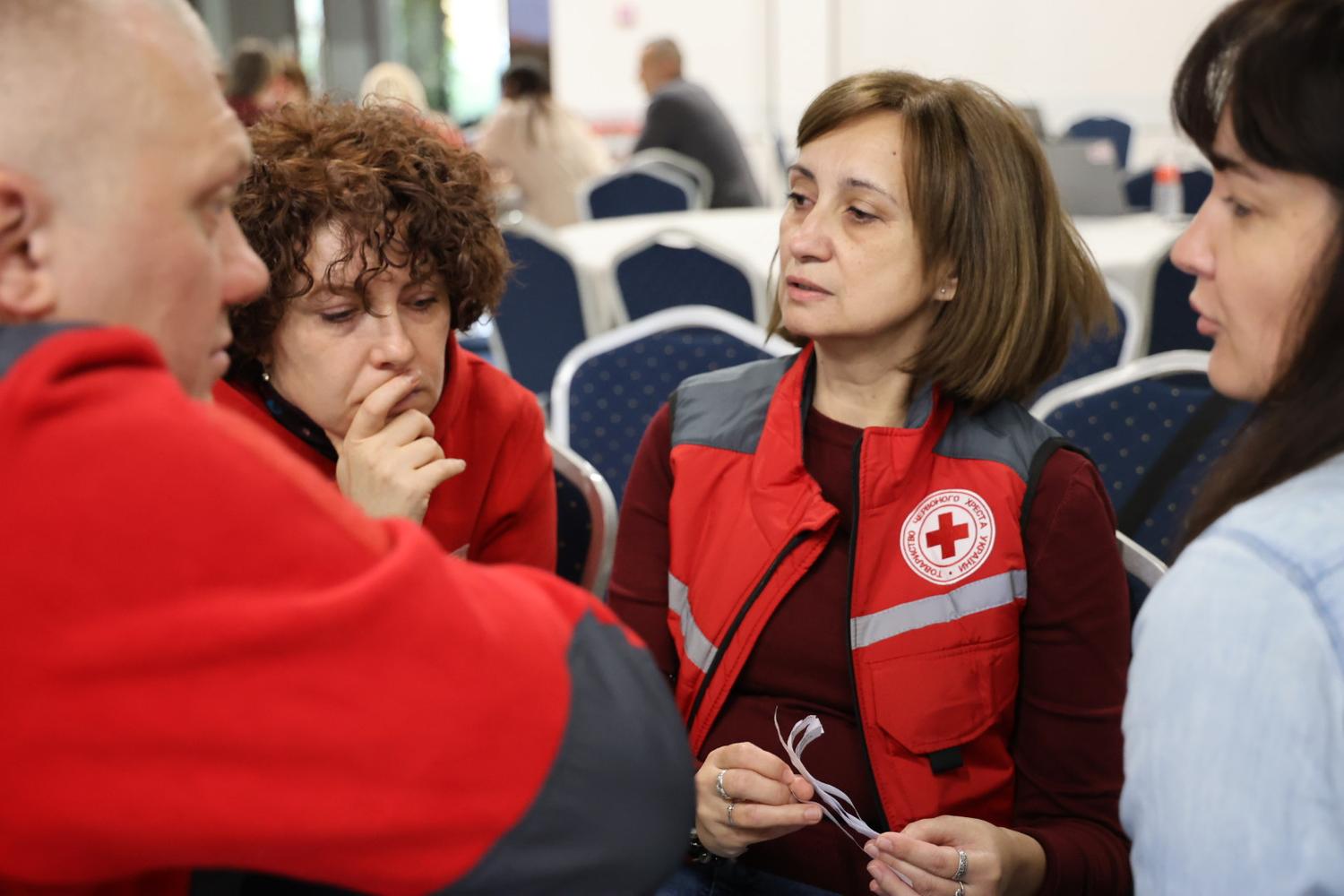
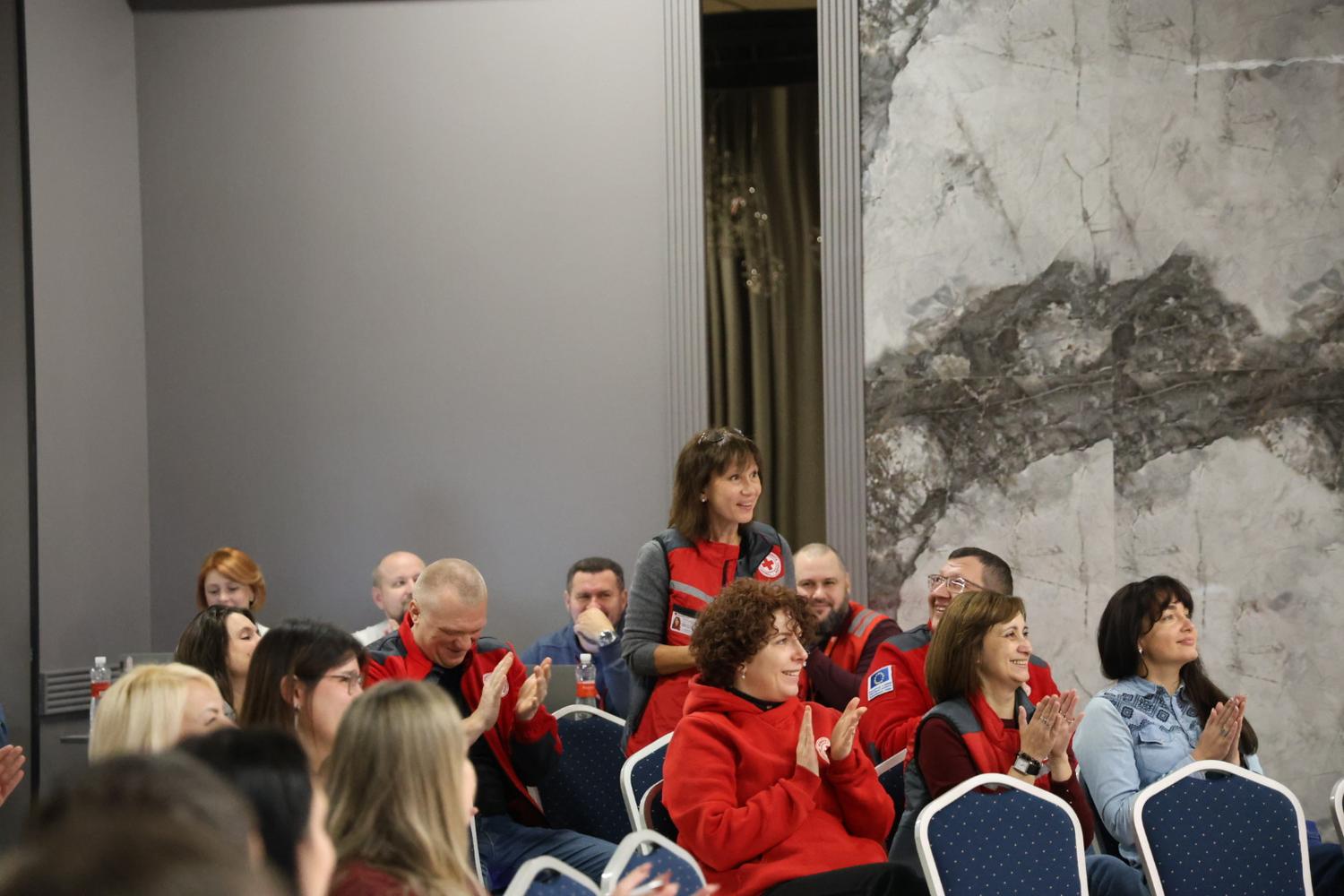
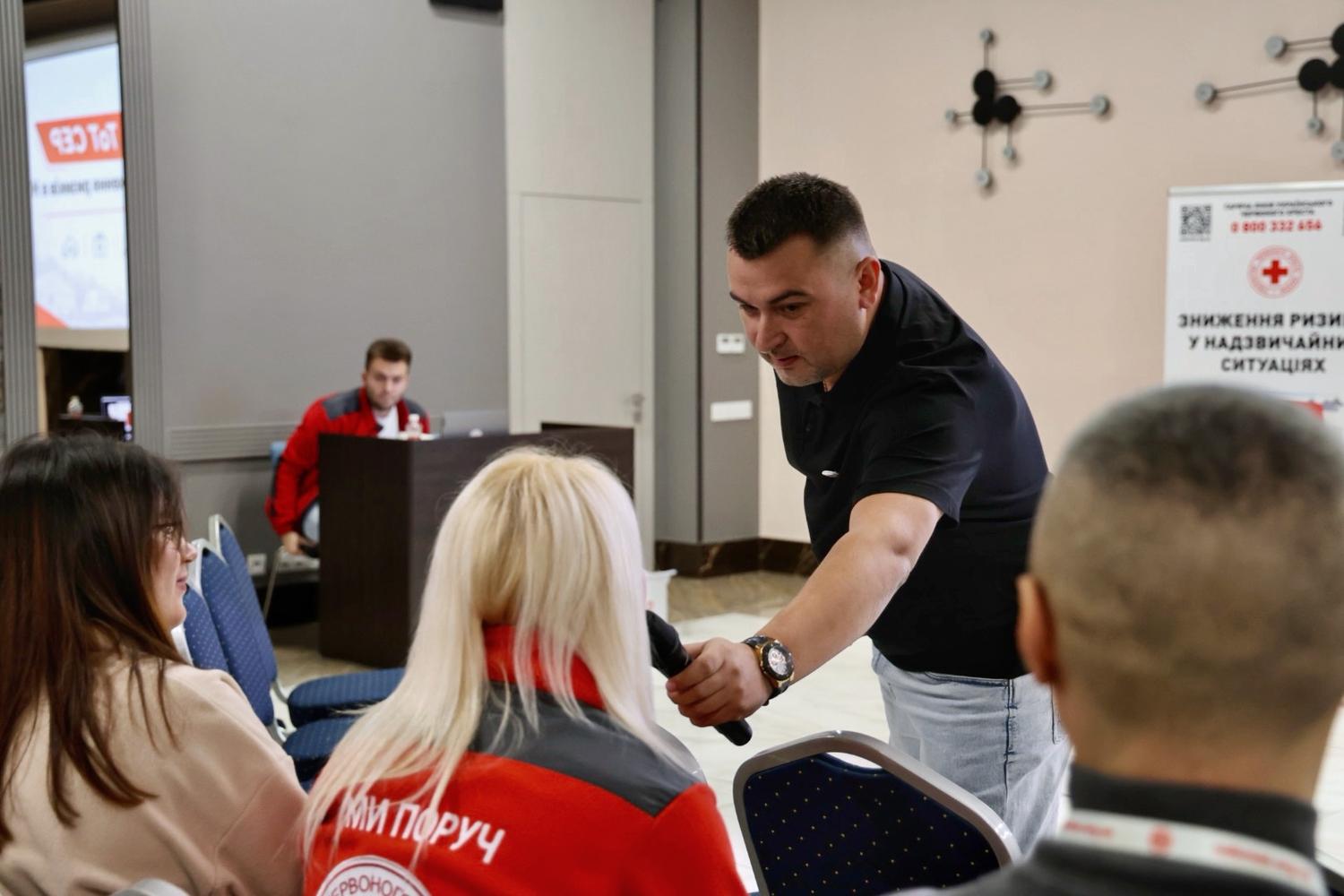
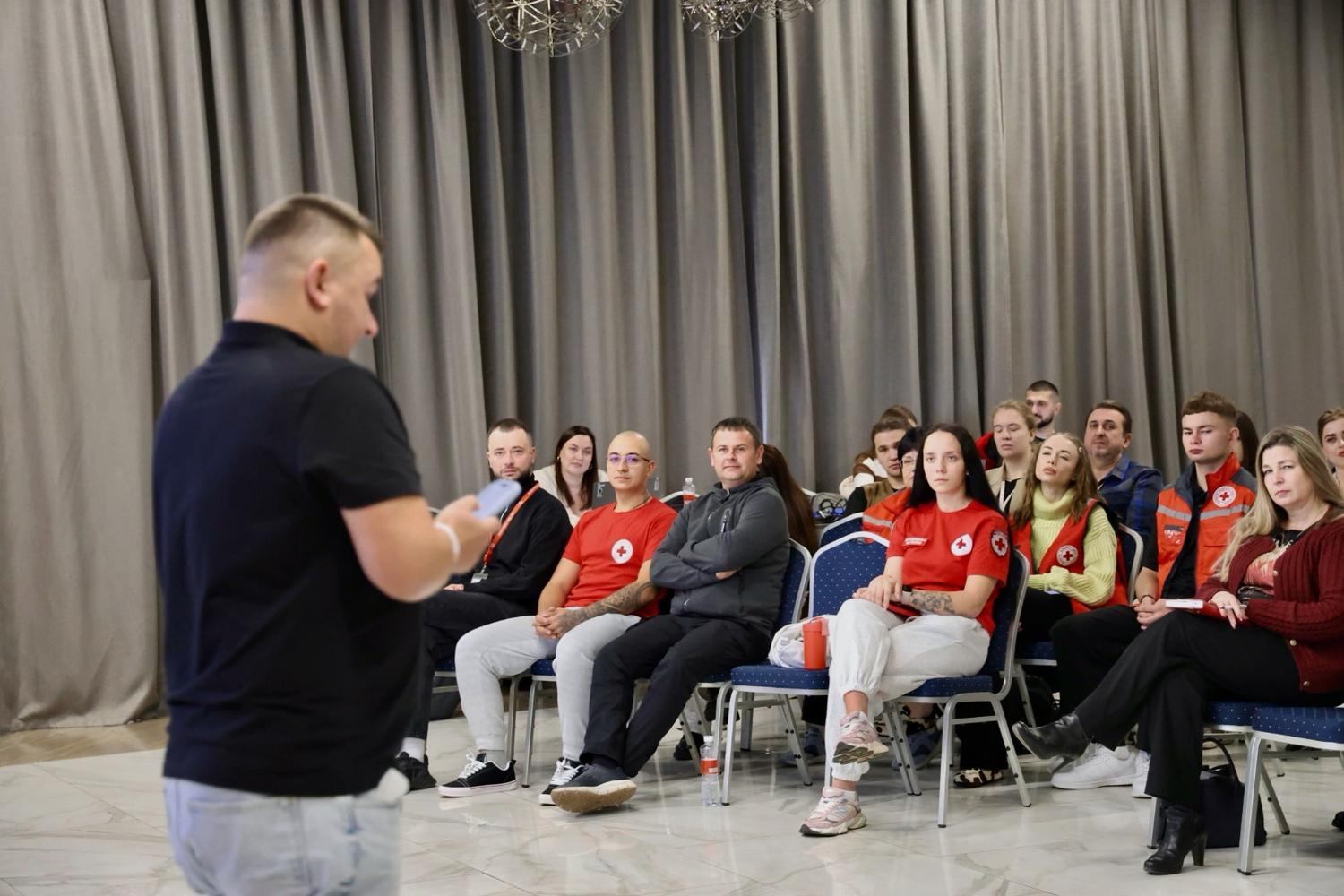
Today, the Ukrainian Red Cross Disaster Risk Reduction Unit launched a five-day training of trainers course. The course focuses on the Community Emergency Plan (CEP) approach, which involves planning for emergency response in starosta districts.
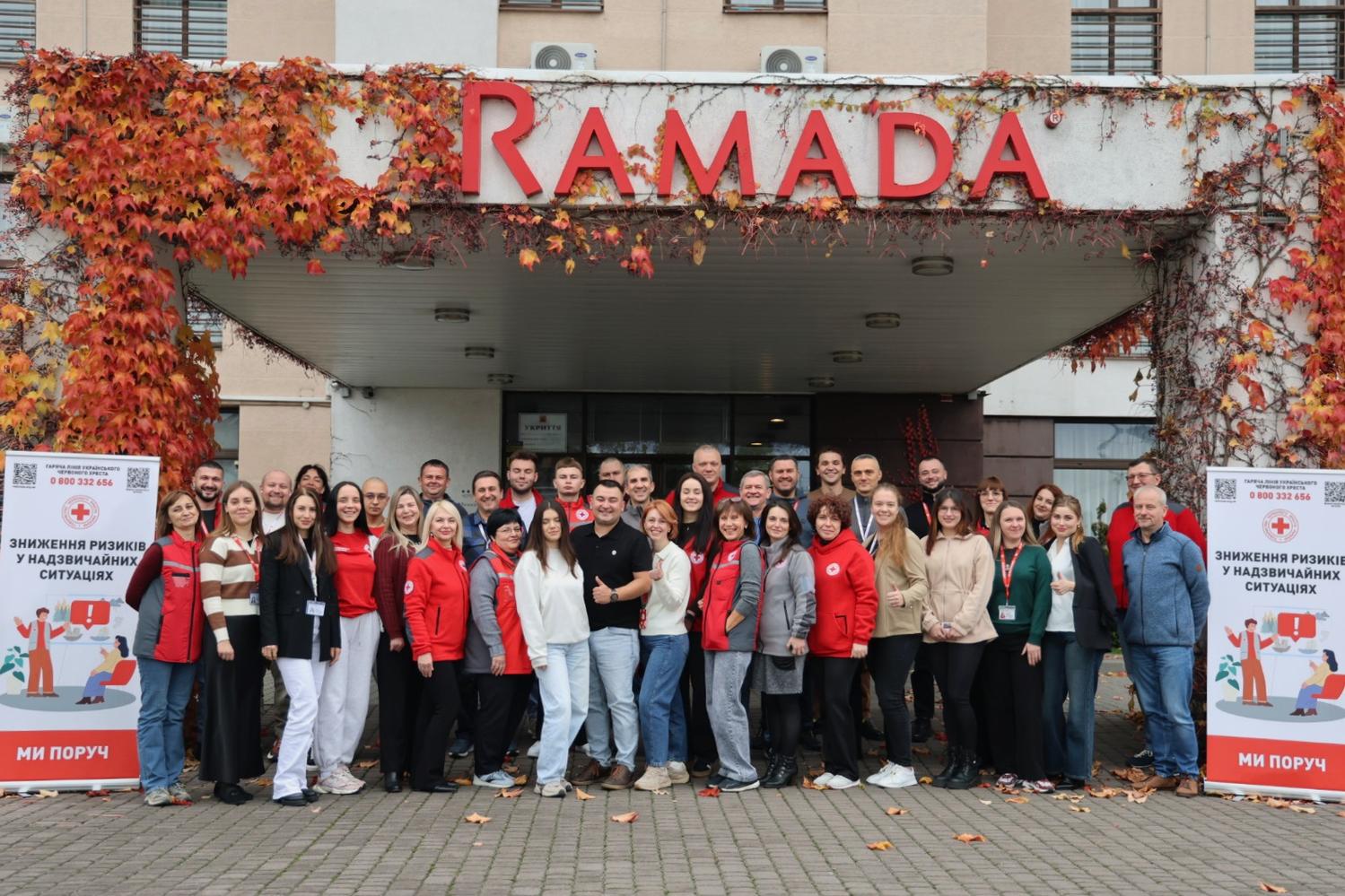
Representatives of Ukrainian Red Cross regional branches from 11 pilot regions are taking part. They will learn how to train representatives of starosta districts and develop local initial emergency response plans.
Why is it important to train instructors and develop these skills at the local level?
When an emergency occurs, community residents, starostas and local activists are often among the first to face its consequences. Their awareness, preparedness and ability to coordinate action can make a difference to people’s safety in the first hours, before emergency services arrive.
During this time, it is essential to know how to organise public alerts, identify immediate needs, support people who require additional assistance and coordinate with the relevant services.
That is why starosta districts need more than general community emergency response plans. They also need clear procedures tailored to local conditions and people’s needs.
The training sessions that will later take place in starosta districts aim to strengthen their capacity to organise initial response measures independently. To achieve this, local activists will gain the necessary knowledge and skills and help develop local initial emergency response plans.
The five-day training is the first stage in preparing instructors. After completing the course and receiving their certificates, participants will be able to deliver training in starosta districts together with trainers from the National Committee of the Ukrainian Red Cross.
Next year, practical training with a final assessment is planned. Following this, instructors will be able to deliver training independently.
Prepared people, clear procedures and effective coordination help communities and starosta districts respond more effectively to emergencies, support their residents and save lives.