

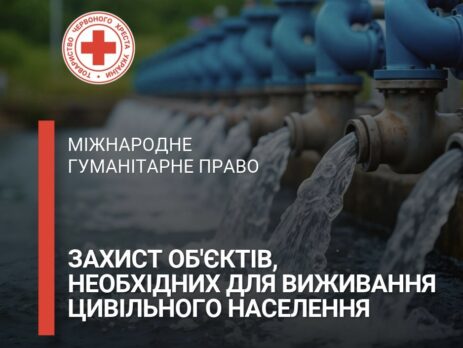
How international humanitarian law protects objects indispensable to the survival of the civilian population
- Foodstuffs
- Agricultural areas used for food production
- Crops and livestock
- Drinking water installations and supplies
- Irrigation works
This list is not exhaustive. Depending on the circumstances, other objects essential to meeting the basic needs of the civilian population may also fall within this category.
IHL prohibits attacking, destroying, removing or rendering such objects useless for the specific purpose of denying the civilian population or the adverse party the means of subsistence.
Reprisals against such objects are also prohibited. These rules are reflected in customary IHL and apply in both international and non-international armed conflicts.
Article 54 of Additional Protocol I provides for limited exceptions to this prohibition.
In particular, the prohibition does not apply to objects used exclusively to sustain the armed forces of the adverse party. An exception may also apply to objects used in direct support of military action, provided that the action does not leave the civilian population with such inadequate food or water as to cause starvation or force them to move away.
A separate exception concerns the defence of national territory against invasion. Where imperative military necessity requires it for the defence of national territory, a party to the conflict may derogate from the relevant prohibition in territory under its own control. This is permitted only where there is an imperative military necessity.
The Ukrainian Red Cross continues to promote knowledge of international humanitarian law and explain its rules. Understanding these provisions helps clarify the limits imposed during armed conflict and why compliance is essential for the survival of the civilian population.