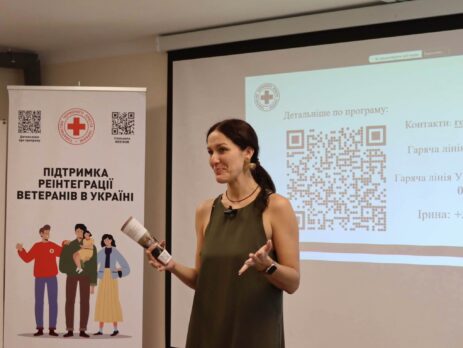
Veteran reintegration support programme presented in Mykolaiv: training, mentoring and grants to start or grow a business
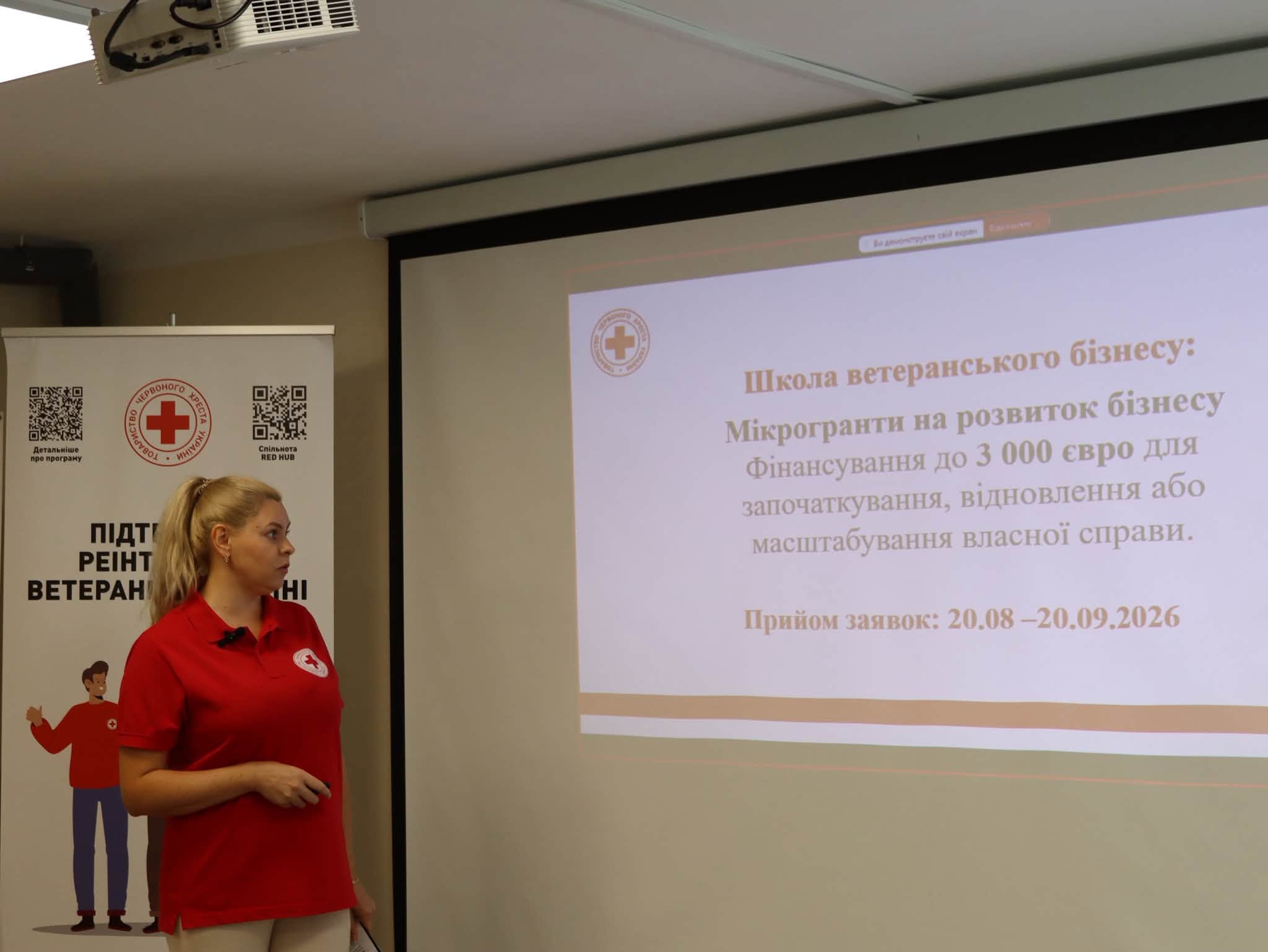
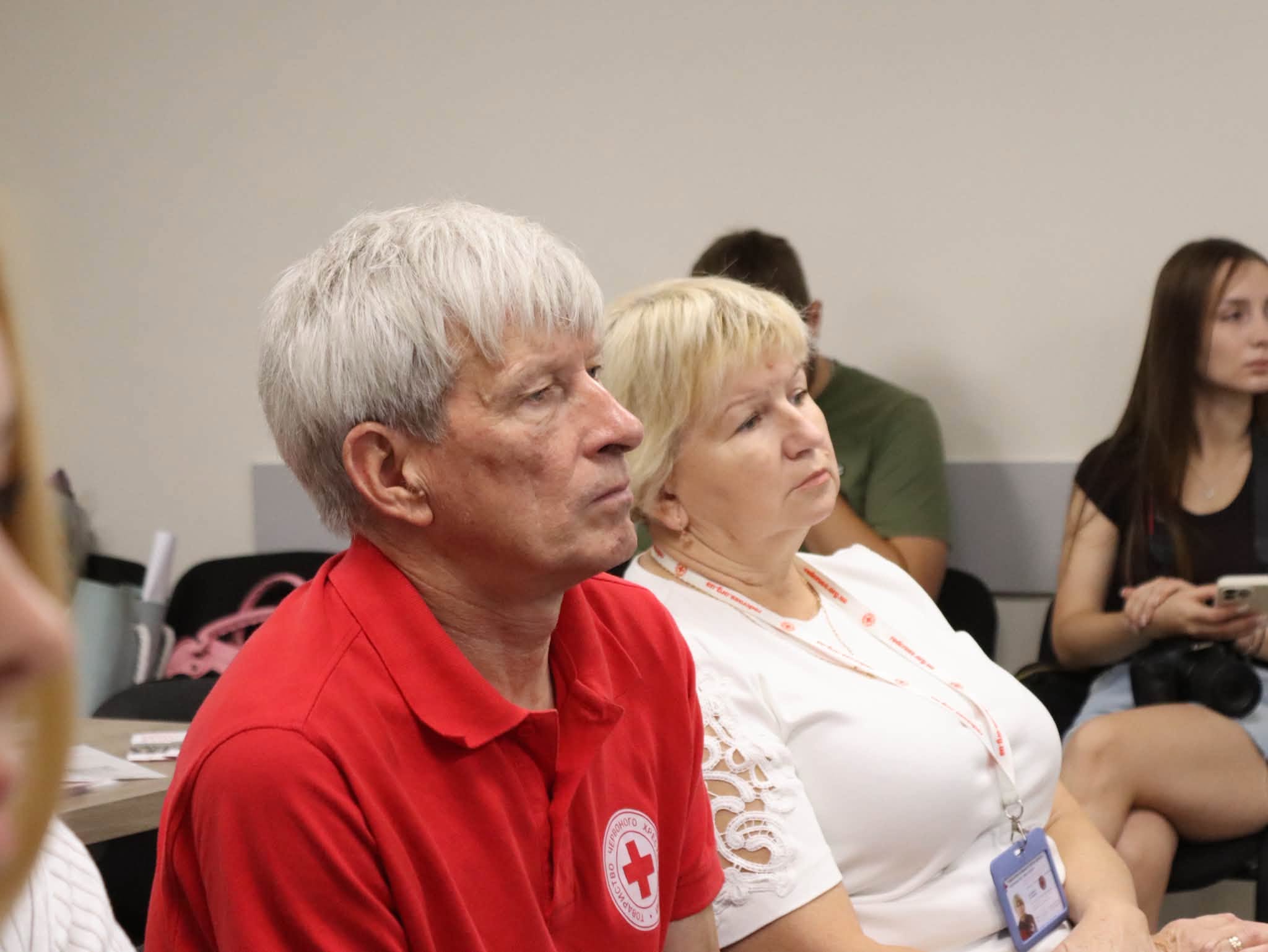
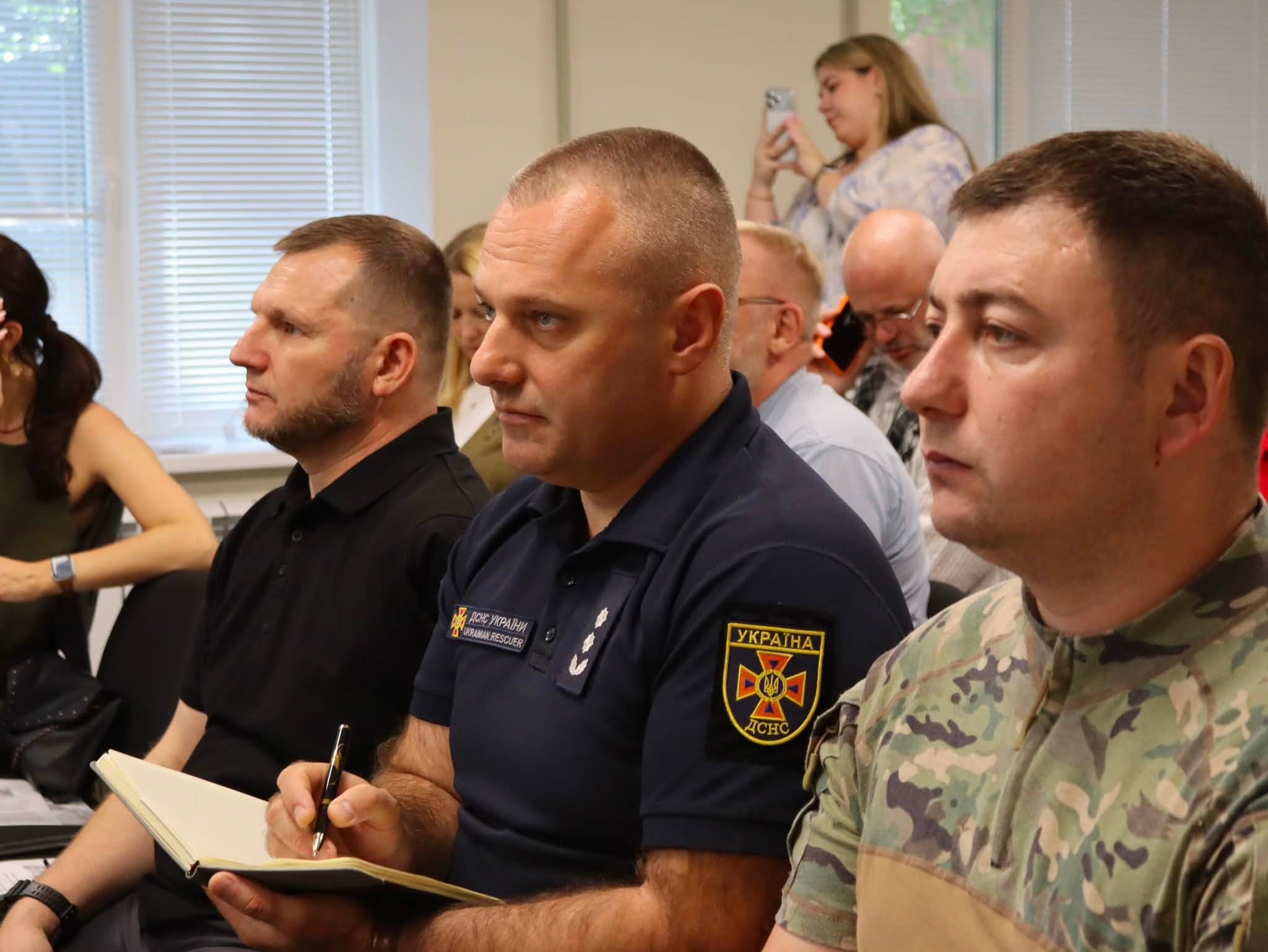
Last week, the Ukrainian Red Cross team in Mykolaiv presented the Supporting the Reintegration of Veterans in Ukraine programme. The event was held in a hybrid format, both in person and online, bringing together representatives of local authorities, veterans’ organisations, government and security agencies, veteran support specialists and entrepreneurs.
The programme aims to support veterans and their family members as they transition back to civilian life, pursue professional development and strengthen their financial resilience. One of its key areas is expanding entrepreneurial opportunities, enabling veterans to start or grow their own businesses and reach their full professional potential.
Programme participants will receive comprehensive support at different stages — from training and developing a business idea to grant funding and ongoing mentoring.
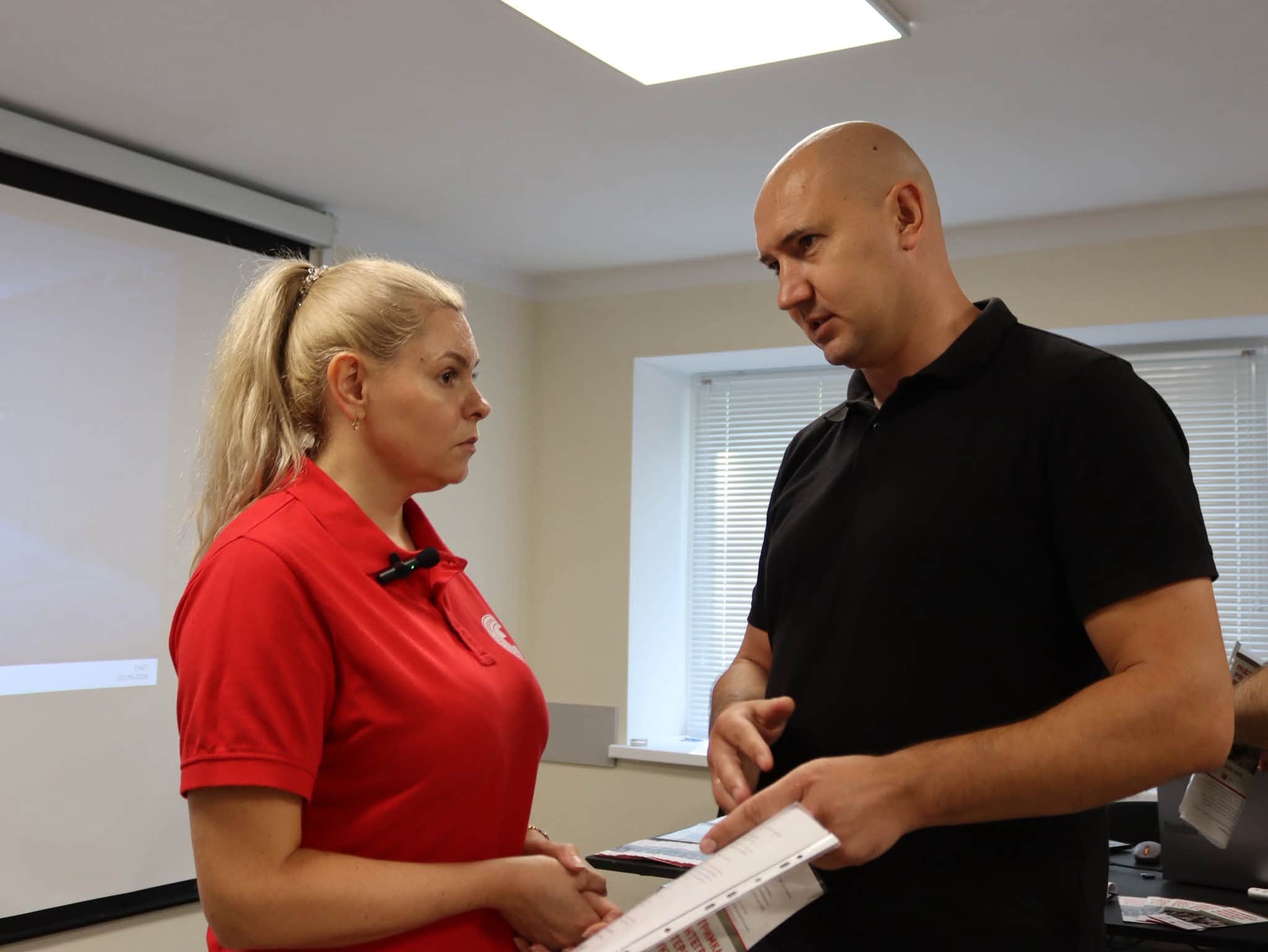
During the presentation, representatives of the Mykolaiv regional branch of the Ukrainian Red Cross provided detailed information about the programme’s opportunities, eligibility requirements and support mechanisms. Particular attention was given to the importance of working closely with local partners and veteran support specialists. This cooperation helps ensure that veterans and their families are better informed about available opportunities and can access practical solutions to support their professional development and economic independence.
Supporting the Reintegration of Veterans in Ukraine is about more than grant funding. It combines training, mentoring, consultations and opportunities to develop entrepreneurial skills, helping veterans confidently plan the next stage of their professional lives.
Implemented by the Ukrainian Red Cross with support from the Danish Red Cross.
The programme helps create conditions that enable veterans and their families not only to adapt to civilian life, but also to develop their own businesses, strengthen their financial resilience, create new jobs and contribute to the economic recovery of their communities.