

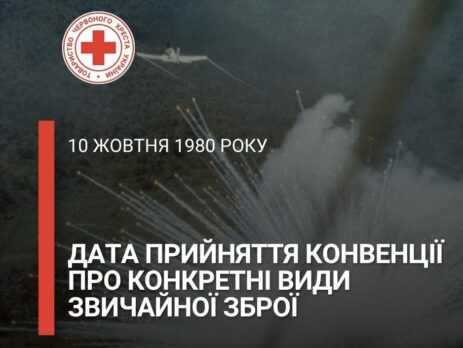
10 October marks the adoption of the Convention on Certain Conventional Weapons
In 1980, the Convention on Prohibitions or Restrictions on the Use of Certain Conventional Weapons Which May Be Deemed to Be Excessively Injurious or to Have Indiscriminate Effects was adopted in Geneva.
The Convention marked an important milestone in the development of international humanitarian law (IHL). It is based on the principle that the right of parties to an armed conflict to choose the means and methods of warfare is not unlimited. In particular, IHL prohibits the use of indiscriminate weapons and weapons of a nature to cause superfluous injury or unnecessary suffering.
The Convention is a framework agreement, with specific prohibitions and restrictions set out in its protocols:
- Protocol I – prohibits the use of weapons whose primary effect is to injure through fragments that cannot be detected in the human body by X-rays.
- Protocol II – establishes restrictions on the use of mines, booby-traps and other devices. It was substantially amended and strengthened in 1996.
- Protocol III – establishes restrictions on the use of incendiary weapons.
- Protocol IV – prohibits the use and transfer of laser weapons specifically designed to cause permanent blindness.
- Protocol V – sets out obligations concerning explosive remnants of war, including clearance and assistance to victims.
The Convention and its protocols demonstrate how international humanitarian law establishes specific restrictions on the means and methods of warfare to reduce suffering and protect people from the consequences of armed conflict.