Ukraine Adapts First Aid Training for People with Disabilities
The Ukrainian Red Cross has presented the results of a scientific and methodological study aimed at developing an inclusive approach to first aid training. The goal is to improve training programmes so that both knowledge and practical skills are accessible to as many people as possible, including those with disabilities.
The study was carried out by the Ukrainian Red Cross first aid specialists, taking into account modern adult learning approaches and practical experience of conducting training in Ukraine. Its results form the basis of an updated training methodology, which includes adapting programmes, materials, and training spaces to meet the needs of different participant groups.
Particular attention was given to barrier-free inclusion in education and creating an accessible learning environment. This covers not only physical accessibility of premises but also adaptations in teaching methods, communication, and practical exercises for people with visual, hearing, mobility, and other health-related needs.
The study confirmed the effectiveness of a training model that combines theoretical instruction with intensive practical skill development. This approach helps participants better learn first aid procedures and be ready to respond in emergencies.
For inclusive groups, tailoring the approach to each participant is essential. Reducing the trainee-to-instructor ratio allows instructors to give more attention to each participant, ensuring safe practice of skills and effective learning.
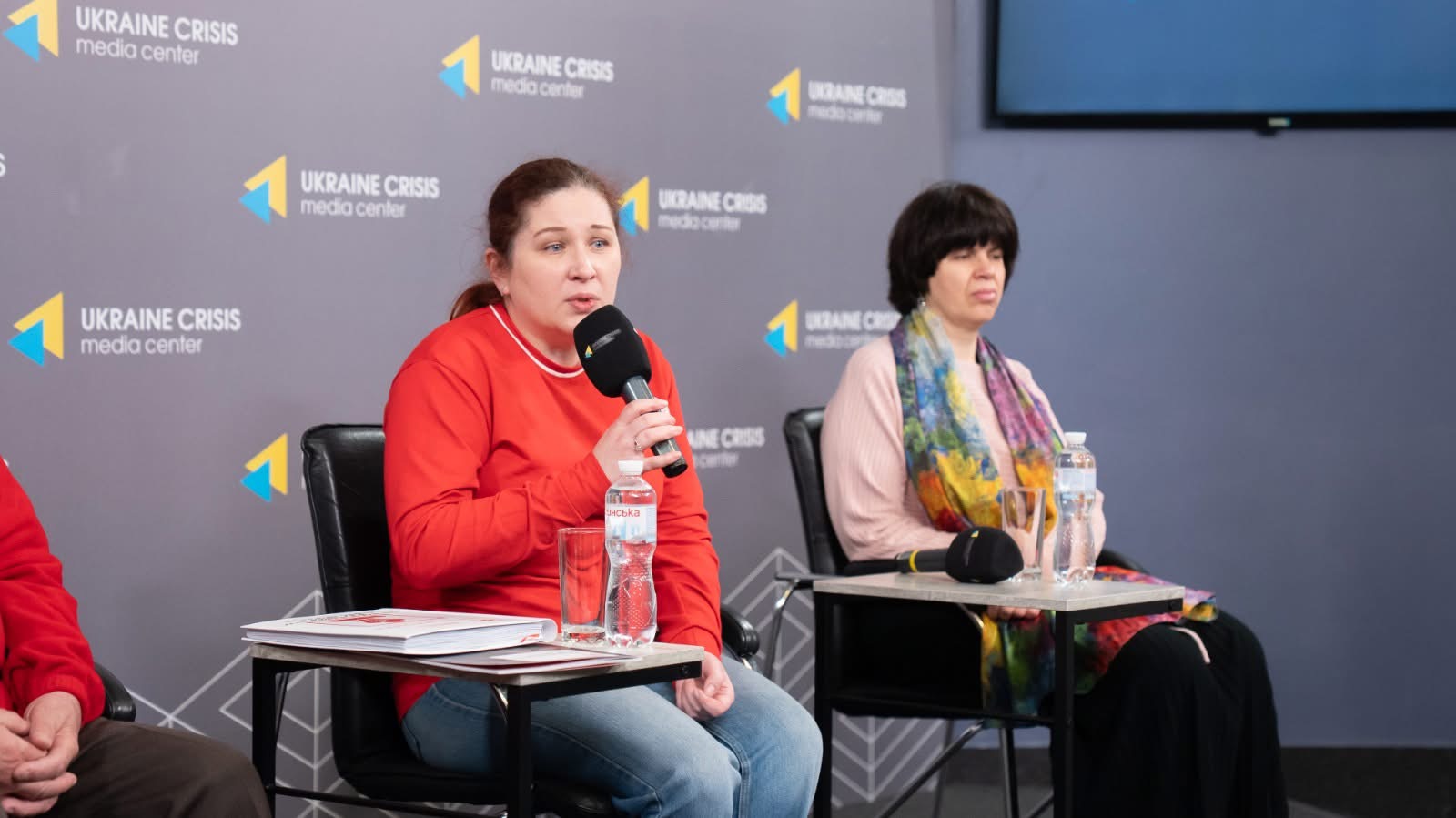
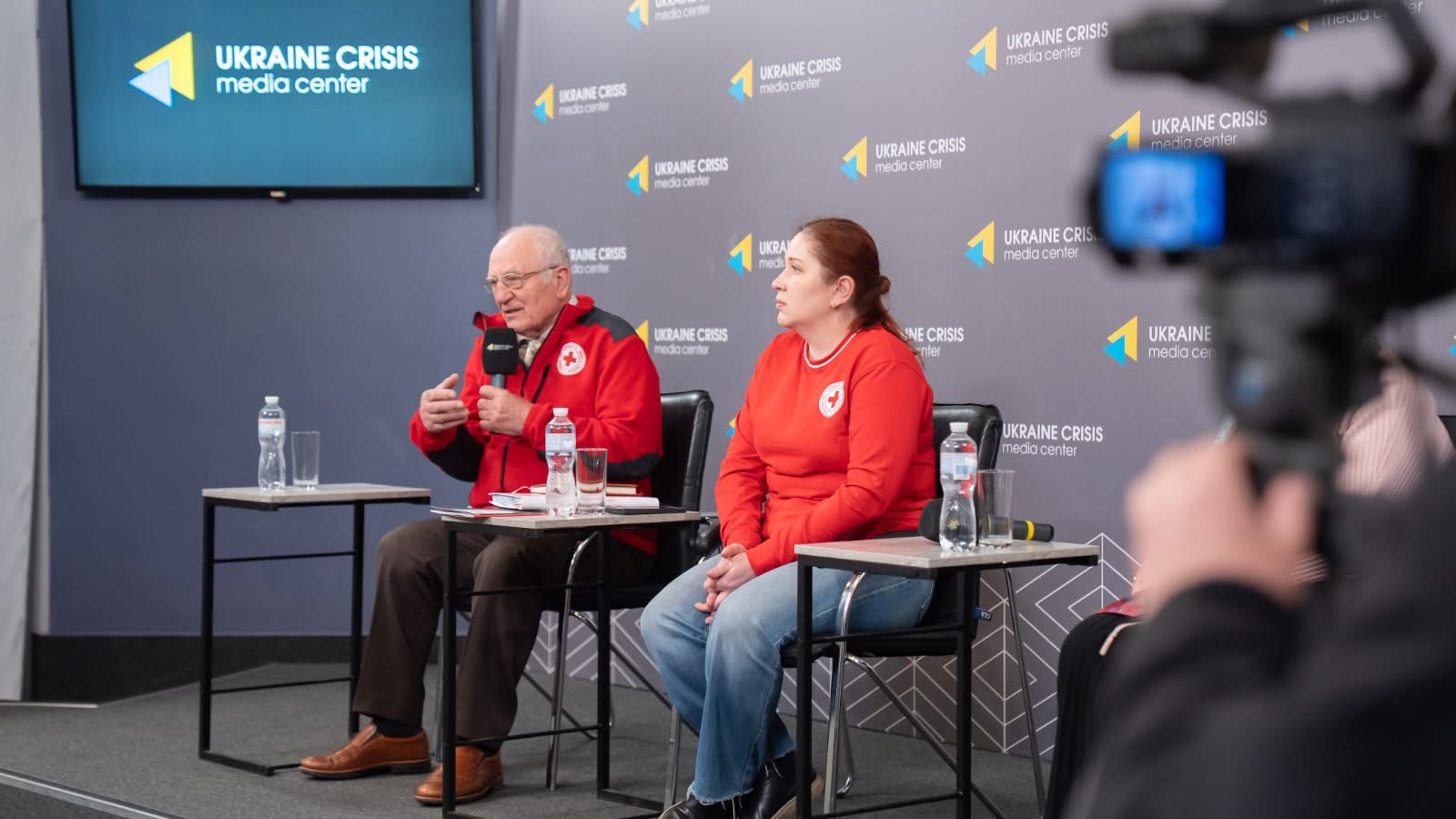
Nadiia Yamnenko, Master First Aid Trainer and Head of First Aid at the Ukrainian Red Cross, says:
“First aid is not only for medical professionals; it is a skill for everyone. It is important to consider the needs of all communities, adapting training through sign language, Braille, or other means so that no one is excluded. We do not divide people – this is our community. That is why it is important for us to be truly barrier-free. Our experience shows that people are capable of much more than we sometimes imagine. We just need to find the right approach. That is why we do not just talk about accessibility – we create conditions where everyone can learn first aid.”
A key part of the study was collaboration with the Ukrainian Association of the Blind, which helped develop practical approaches to adapt first aid training for people with visual impairments.
“In the current circumstances, this knowledge is critically important, as first aid may be needed at any moment – for yourself or your loved ones. I want even more people to feel confident and take part in these trainings,” emphasises Maryna Poteliakhina, a representative of the Ukrainian Association of the Blind.
The study’s findings will inform the further development of Ukrainian Red Cross first aid programmes, the training of instructors, and the expansion of access to these life-saving skills for all members of society.