International Humanitarian Law Training Held at Lviv Regional Council
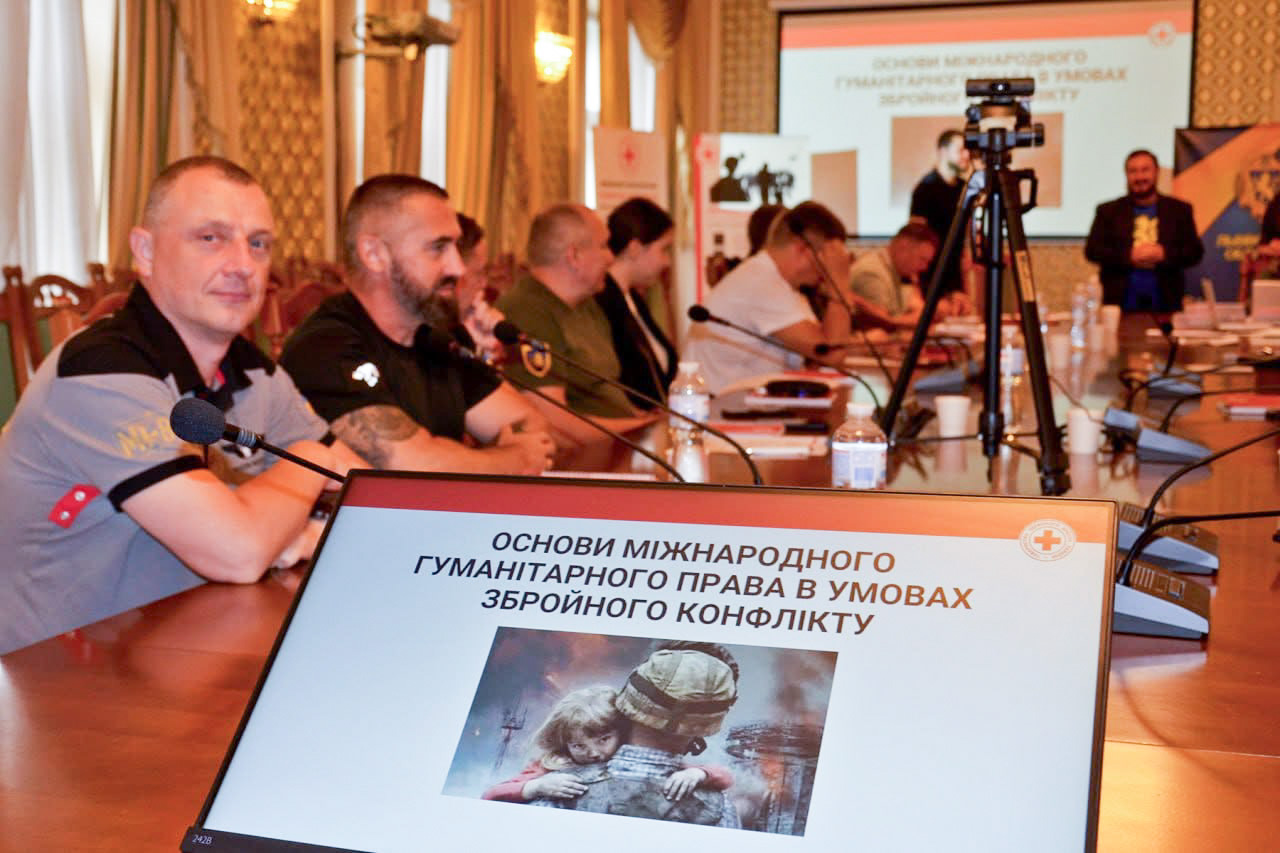
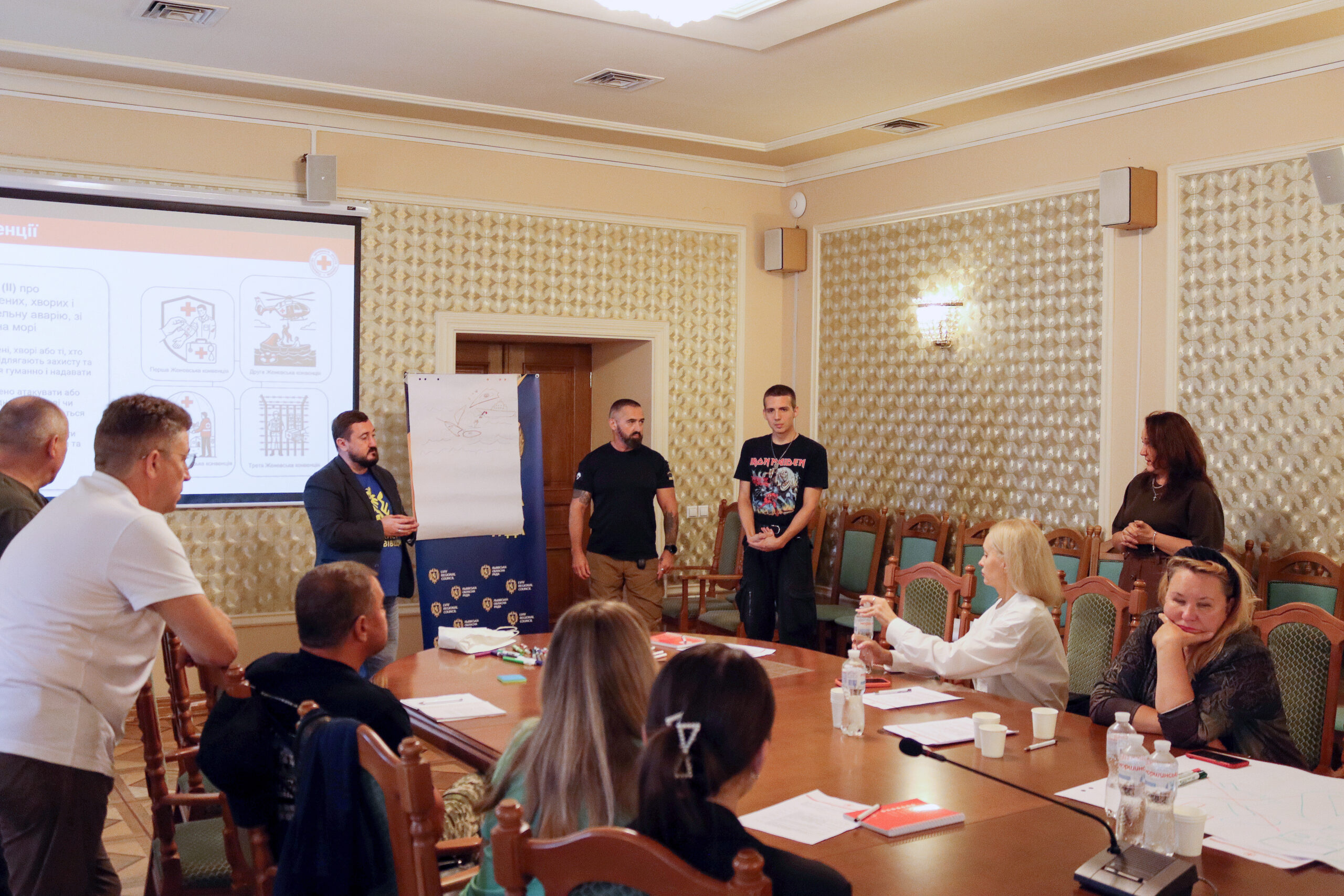
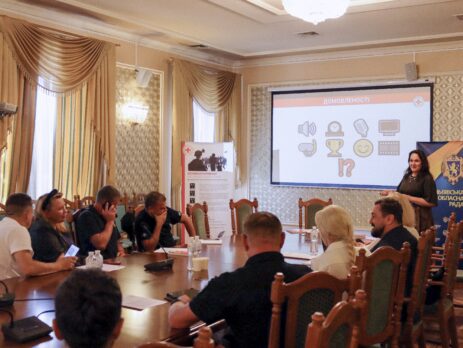
A training session on international humanitarian law (IHL) was held in the Lviv region for members of the Lviv Regional Council, lecturers from higher education institutions, and veterans. The training provided a space for professional dialogue on how IHL rules apply in situations of armed conflict and why understanding them is important for people working in different professional fields — from public administration and education to the veteran community.
During the training, participants explored key provisions of IHL, including the rules governing the conduct of hostilities, the principles of distinction and proportionality, and precautions in attack. They also discussed the protection of civilians and civilian objects, as well as people who are not or are no longer taking part in hostilities.
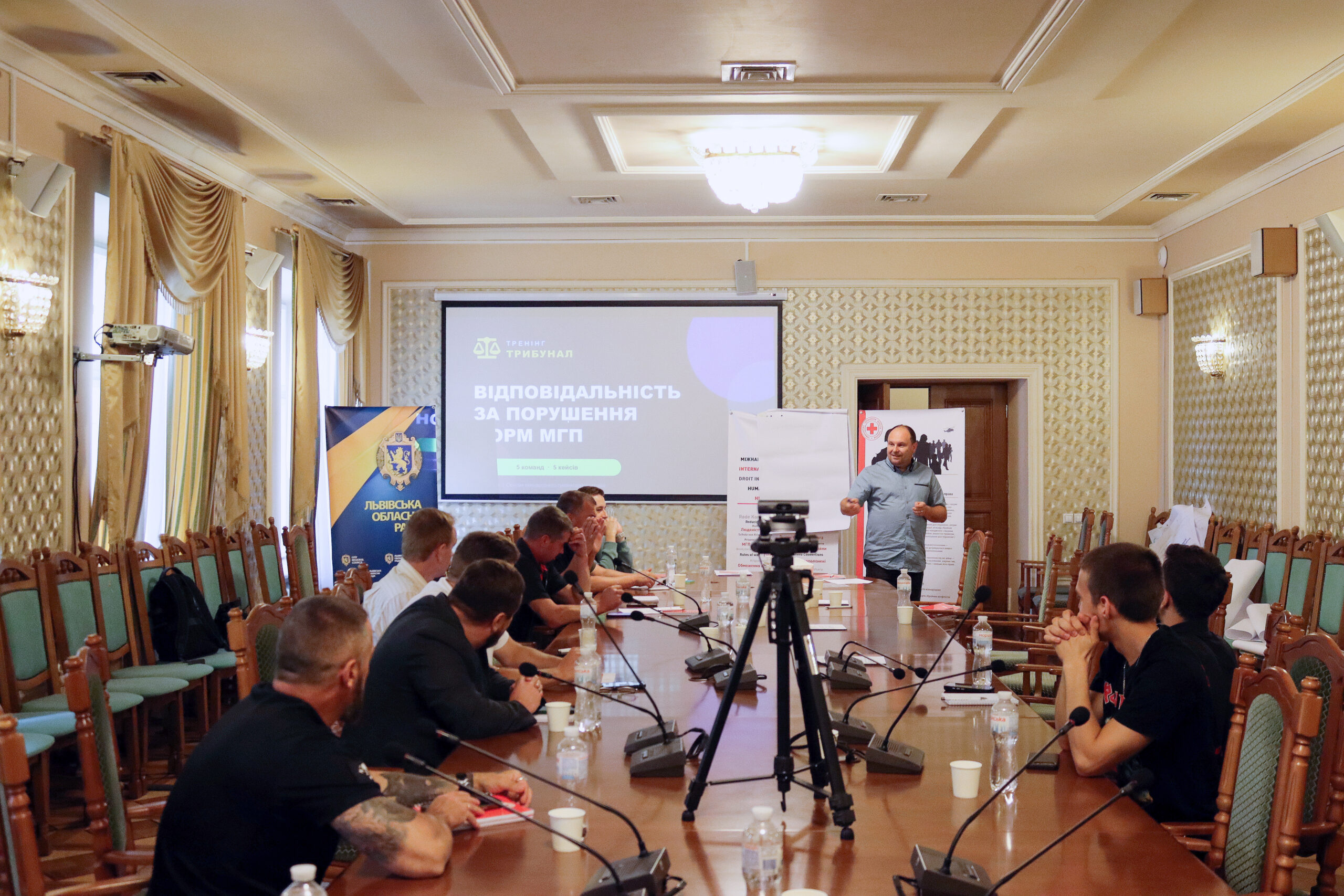
Particular attention was given to accountability for violations of IHL and the role of international humanitarian law in reducing the impact of armed conflict.
The training was delivered by Ukrainian Red Cross volunteer trainers: Ihor Kozych, Doctor of Law and Professor at the Educational and Scientific Institute of Law of Taras Shevchenko National University of Kyiv; Khrystyna Duda, lawyer and lecturer at the Department of Theory and Methodology of Teaching at the Ivano-Frankivsk Regional Institute of Postgraduate Pedagogical Education; and Maksym Kovaliauk.
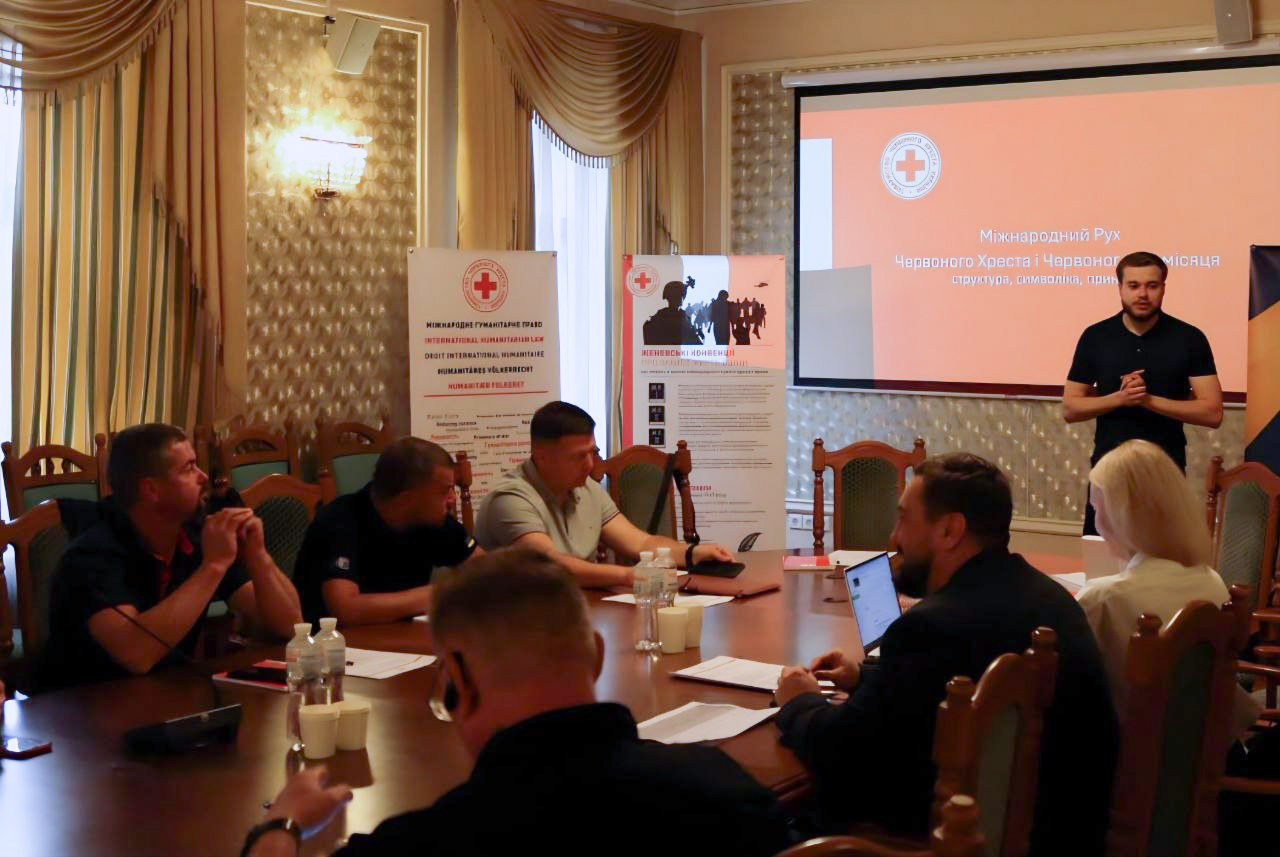
A separate session focused on the International Red Cross and Red Crescent Movement. Yehor Astapenko, an IHL specialist at the Ukrainian Red Cross, spoke about the Movement’s structure and mandate, its fundamental principles, and the proper use of the Red Cross emblem. Participants discussed the importance of correctly understanding the status of humanitarian organisations and protective emblems during armed conflict.
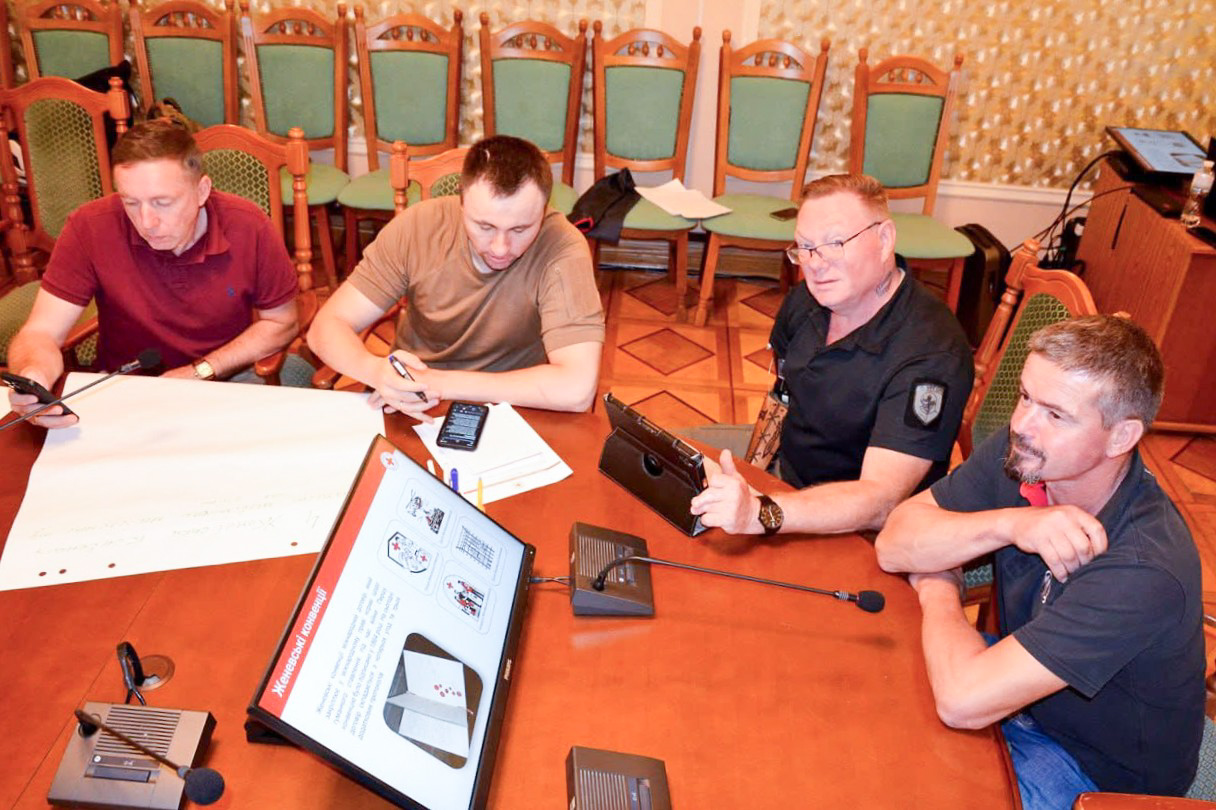
The training combined theoretical material with practical exercises. Participants analysed hypothetical situations and case studies, determined the legal status of persons and objects, assessed potential violations, and developed well-reasoned solutions from an IHL perspective. This format helped participants see how international humanitarian law can be applied in practice when assessing situations arising during armed conflict and making decisions.
An important part of the training was dialogue between people from different professional backgrounds. Members of the Regional Council, academic and teaching staff, and veterans had an opportunity to consider IHL issues from different perspectives, exchange professional and practical experience, and discuss ways to further promote knowledge of international humanitarian law.
Promoting knowledge of international humanitarian law helps foster a culture of respect for the law and human dignity, even during armed conflict. It is particularly important that this knowledge is accessible not only to military personnel and legal professionals, but also to those who make decisions, work with people, teach others or directly encounter the consequences of war.