Partner Coordination Meeting on Updating the Practical Guide for Ukrainian Red Cross Mobile Health Units for 2027
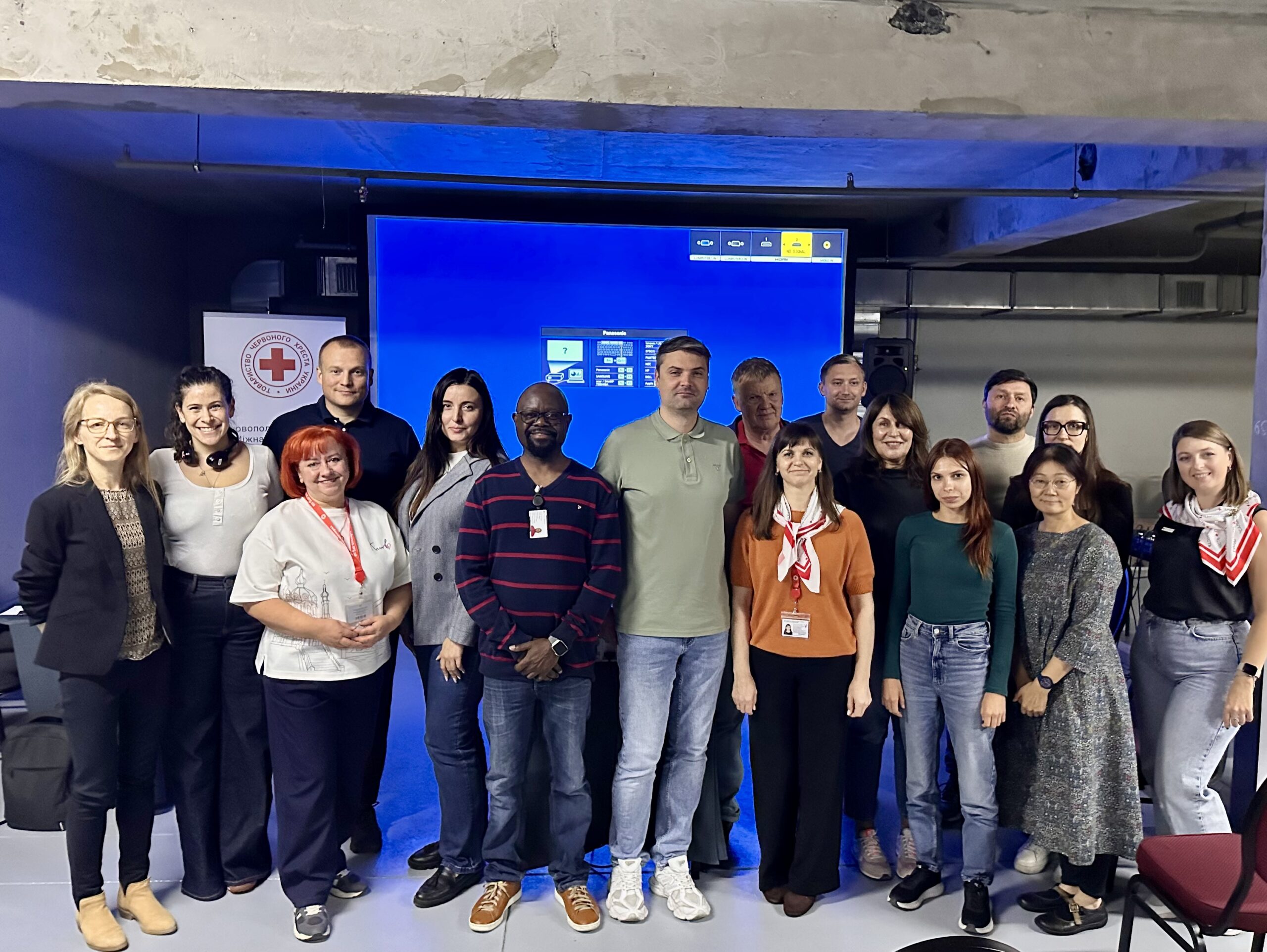
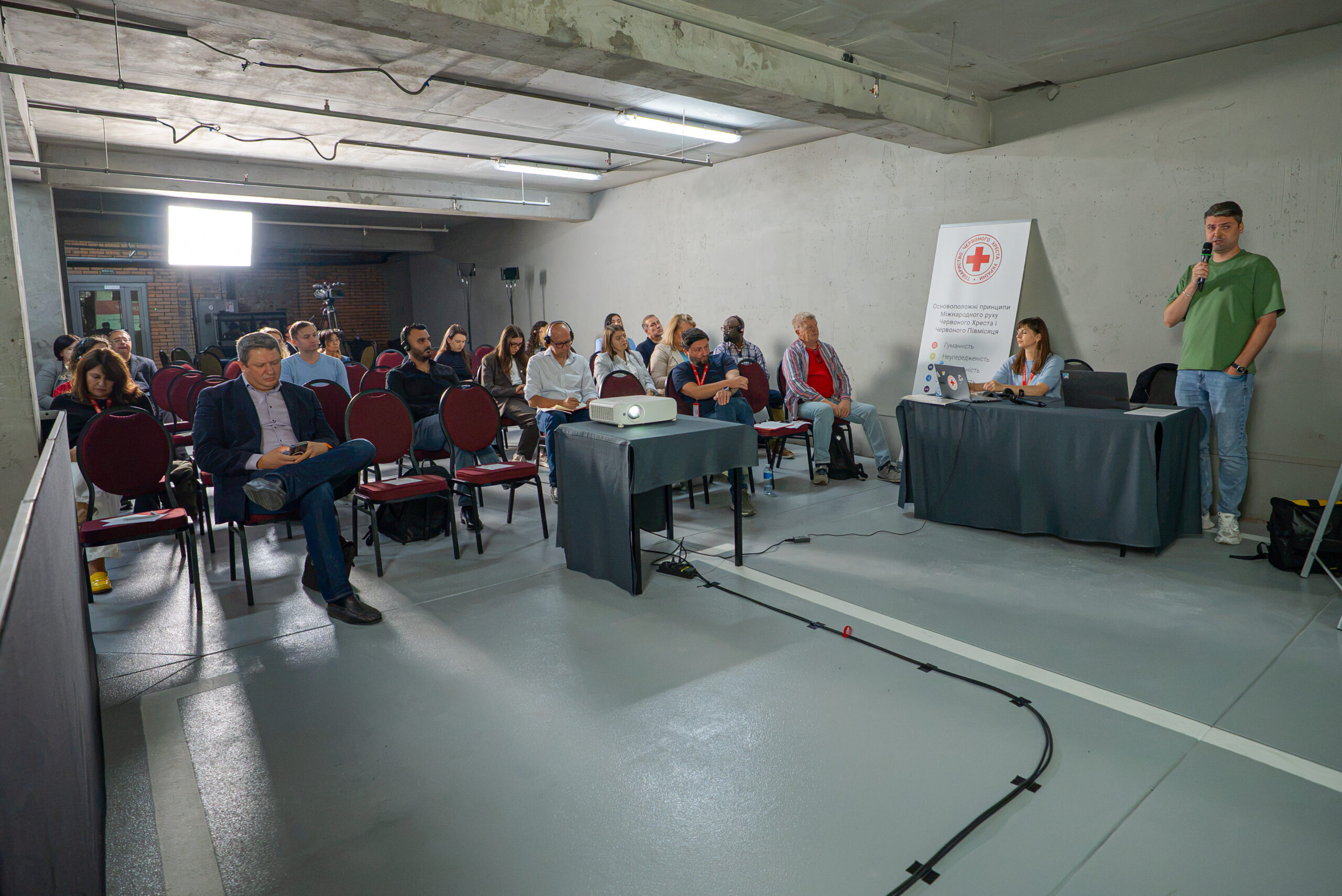
A partner coordination meeting was held in Kyiv to discuss the update of the Practical Guide on the Organisation and Operation of Ukrainian Red Cross Mobile Health Units for 2027 in the Context of the Full-Scale War.
The meeting aimed to agree on recommendations for the continued development of mobile health units and related healthcare delivery models for 2027.
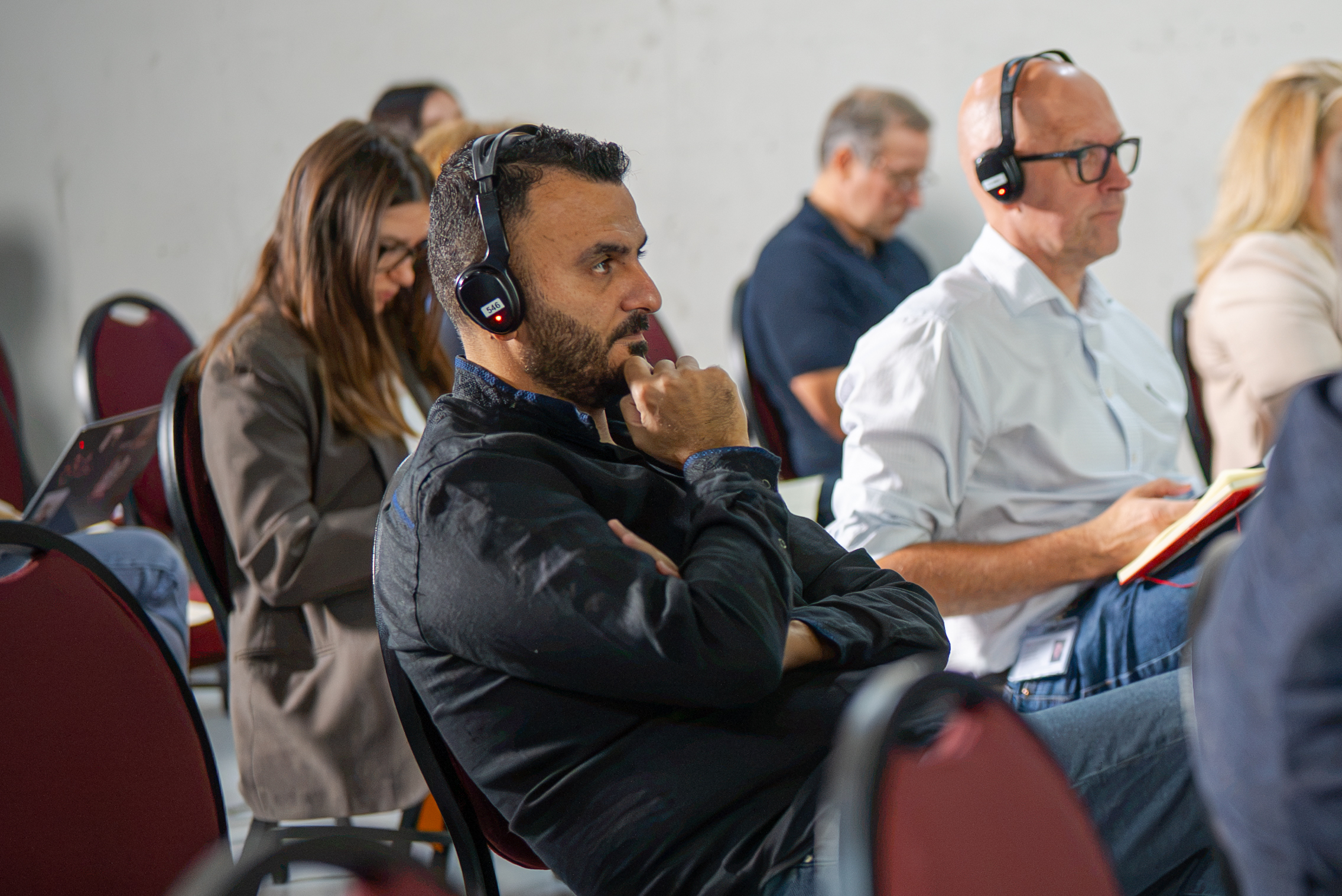
The event brought together the Ukrainian Red Cross team, representatives of the Austrian, Danish, Canadian, Norwegian, German, French, and Japanese Red Cross Societies, representatives of Ukrainian Red Cross regional branches, and specialists working with mobile health units.
Participants discussed the main challenges and prospects for MHU services during the full-scale war and identified priority areas for their work in the coming year.
Key areas discussed included:
- the need for mobile health units to remain present in remote communities across all government-controlled regions of Ukraine;
- the impact of the security situation and the high risk of attacks on logistics, planning, and the development of safe routes for mobile units;
- ensuring a reliable supply of fuel for MHU operations;
- limited access to medicines and essential items for people in some communities;
- strengthening the role of mobile health units in supporting healthcare facilities;
- developing telemedicine in cluster communities to expand the geographical reach of services, cover more communities, and improve access to primary healthcare.
Finalising the Guide is an important step towards adapting MHU activities to current humanitarian challenges and ensuring continuous access to healthcare services in communities that need them most.
The Ukrainian Red Cross is grateful to its Partner National Societies for their long-standing support and involvement in developing MHU services. Joint efforts help expand access to healthcare, strengthen the response to humanitarian challenges, and build more resilient communities during the full-scale war.